Effective yard drainage Utah high desert solutions prioritize managing heavy runoff in compacted clay soils through French drains, dry creek beds, and strategic surface grading. These methods prevent foundation damage and standing water by redirecting rainfall away from structures or into catch basins for better infiltration. For areas with alkaline soil and poor permeability, raised beds and berms offer additional protection for plant root systems.
In Carbon County, a heavy downpour often results in stubborn pooling rather than nourishing the earth. The high desert landscape presents a unique paradox where the ground is frequently parched, yet the heavy clay and alkaline soils refuse to absorb water when it finally arrives. This lack of permeability causes more than just muddy patches; it threatens the integrity of your hardscaping and the health of your desert plantings. At Keith Landscaping, we understand that managing water in Utah requires a sophisticated approach that accounts for hardpan layers and steep slopes. In this guide, we will explore practical solutions ranging from subsurface French drains to aesthetically pleasing dry creek beds. You will learn how to master erosion control and navigate the specific soil challenges that define our region, ensuring your outdoor space remains both functional and resilient.
The Unique Drainage Challenges of Carbon County Landscapes
Homeowners in Price, Helper, and Wellington face a distinct set of environmental pressures. Our region operates on a feast or famine water cycle, where months of arid conditions are punctuated by intense seasonal runoff or sudden flash storms. This extreme volatility makes managing yard drainage Utah high desert landscapes particularly difficult. When these heavy rains arrive, the water often sits on the surface for days, refusing to penetrate the dense, heavy clay soil characteristic of Carbon County.
This standing water is more than a nuisance; it creates persistent mud pits and can eventually threaten building foundations. Many property owners find that general landscaping advice tailored for Salt Lake City fails here. Our soil profiles are typically harder and significantly more alkaline than those along the Wasatch Front. These local conditions require specific professional landscape improvements to ensure water moves effectively across a property rather than stagnating. At Keith Landscaping, we focus on residential and commercial landscaping services that address these specific geological realities. Understanding that our soil often acts as a barrier rather than a sponge is the first step in designing a functional drainage system. If you are struggling with persistent pooling after a storm, you can contact Keith Landscaping to evaluate your property topography and soil structure.
Understanding Carbon County Soil: Clay, Hardpan, and Alkalinity
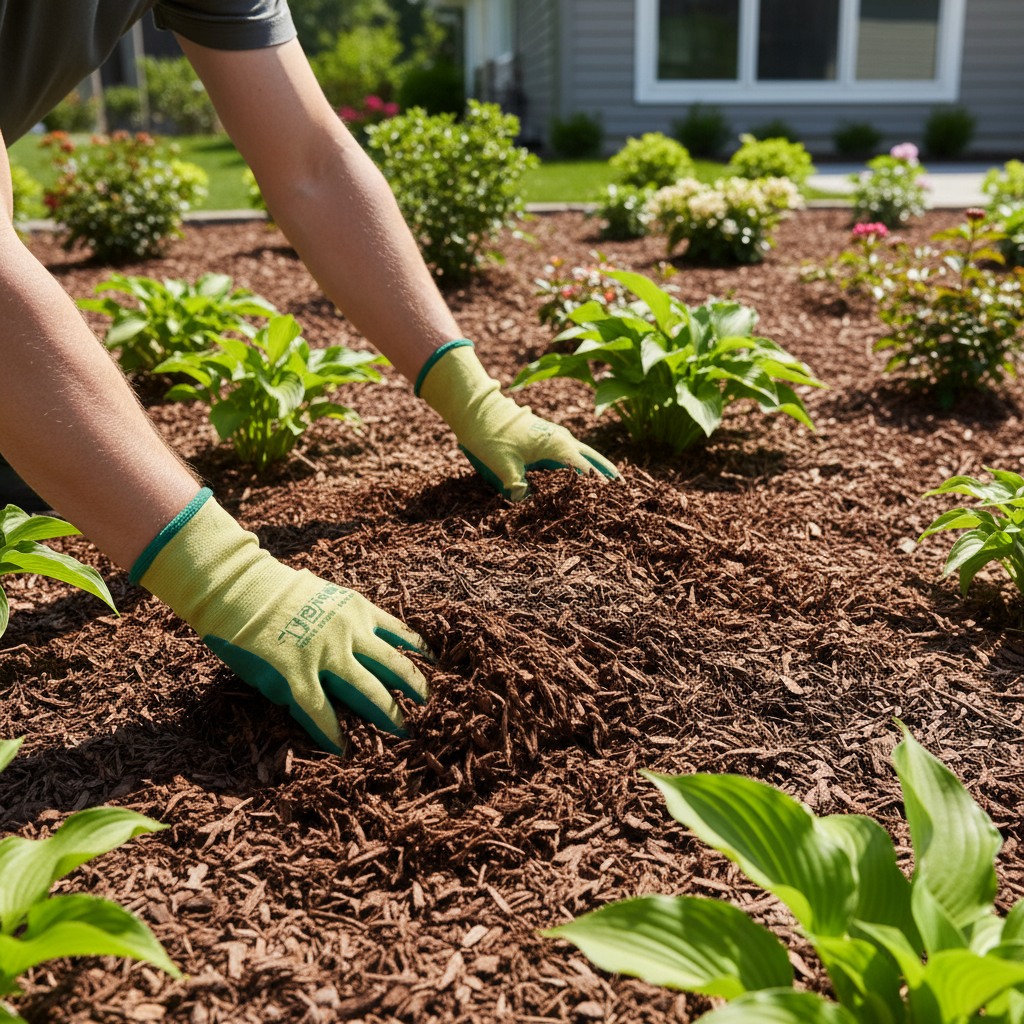
The primary reason water pools in Price and Wellington yards is the microscopic structure of the local soil. Carbon County is dominated by heavy clay, which consists of tiny, flat particles that stack together like sheets of paper. When these particles get wet, they swell and bond tightly; this eliminates the pore space required for water to move downward. This physical barrier is often compounded by a hardpan layer. In our high desert environment, minerals like calcium carbonate often leach downward and cement together, creating a subsurface shelf that is nearly as impenetrable as concrete.
Adding to these physical challenges is the high alkalinity of the region. It is common for local soil tests to reveal a pH of 8.0 or higher. In these alkaline conditions, high sodium levels cause clay particles to repel each other and then settle into a dense, sealed mass, a process known as dispersion. This chemical reality is why traditional yard drainage Utah high desert strategies must be more aggressive than in other regions. One effective method for addressing this at a chemical level is the application of gypsum. Gypsum helps displace the sodium that keeps clay bonds tight; this allows the soil to flocculate, or clump together, creating small channels for water to drain.
Because every property has a unique combination of compaction and alkalinity, one-size-fits-all fixes rarely work. Identifying whether your drainage issue is a simple surface grade problem or a deep-seated hardpan obstruction is a core part of our professional landscape improvements. If you suspect your soil structure is working against you, you can contact Keith Landscaping for a site evaluation to determine the best path forward.
Subsurface Solutions: French Drains and Catch Basins
When soil amendments alone cannot handle the volume of seasonal runoff, subsurface systems become the primary line of defense. A French drain is a common solution, consisting of a trench filled with a perforated pipe and gravel. However, in our high desert clay, a standard installation can fail within a few seasons. The fine particles in Carbon County soil tend to migrate into the gravel, a process called siltation, which eventually chokes the system. To prevent this, we utilize specific pipe sizing and high quality, non woven filter fabric that acts as a surgical grade barrier, keeping the drainage channel clear for years.
In contrast, catch basins are the most effective tool for getting rid of standing water fast. While French drains manage subsurface moisture, catch basins are installed at low points or under downspouts to collect surface water immediately before it can saturate the ground. These basins connect to solid, non perforated pipes that carry the water to a designated discharge point. This approach is essential for yard drainage Utah high desert properties where flash storms can drop significant volume in a matter of minutes.
The success of these professional landscape improvements depends entirely on elevation and grade. Professional installation ensures that the pipe maintains a consistent downward slope, moving water away from the foundation rather than allowing it to pool near basement walls. Improperly pitched drains are a leading cause of basement flooding and foundation settling in our area. At Keith Landscaping, we incorporate these technical requirements into our residential and commercial landscaping services to ensure long term stability. If you are dealing with persistent pooling, you can contact Keith Landscaping to evaluate your property's topography and drainage needs.
Surface Drainage: The Beauty of Dry Creek Beds and Swales
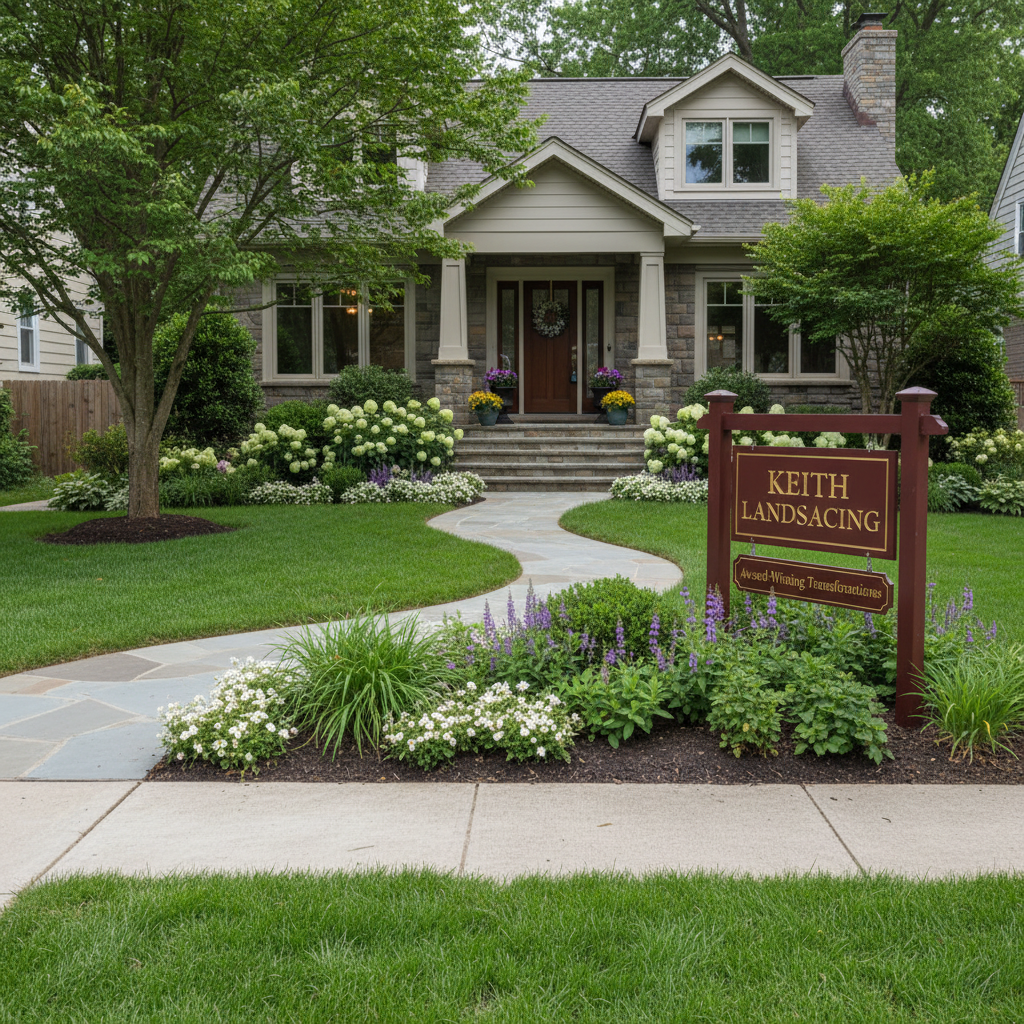
While pipes and basins manage water out of sight, surface solutions provide a way to handle volume while enhancing the visual appeal of a property. Dry creek beds are particularly effective for yard drainage Utah high desert properties because they mimic the natural arroyos and washes found throughout Carbon County. During spring runoff or sudden summer cloudbursts, these features act as a designated path for water, preventing it from sheet-flowing across your lawn or driveway.
To build an effective dry creek bed, the design must prioritize water velocity control. Using a uniform layer of small gravel is a common mistake; high-volume water will simply wash it away. Instead, we use a mix of varied rock sizes. Large boulders placed at curves and intervals act as speed bumps, breaking the water's force, while smaller river rock fills the gaps. This graduation of materials prevents erosion and ensures the bed remains stable during heavy flow. These professional landscape improvements ensure that the landscape remains intact even when the desert weather turns volatile.
Swales offer a similar functional benefit but focus more on gentle contouring. A well-designed swale guides water toward thirstier plants or safely off the property without the industrial look of a concrete ditch. By integrating these features into the existing grade, we can turn a drainage necessity into a landscape asset. If your property currently lacks a clear path for surface water, you can contact Keith Landscaping to discuss how naturalistic drainage features can protect your soil and enhance your outdoor space. These residential and commercial landscaping services are designed to handle the specific topography of the Price and Helper areas.
Erosion Control for Sloped High Desert Lots
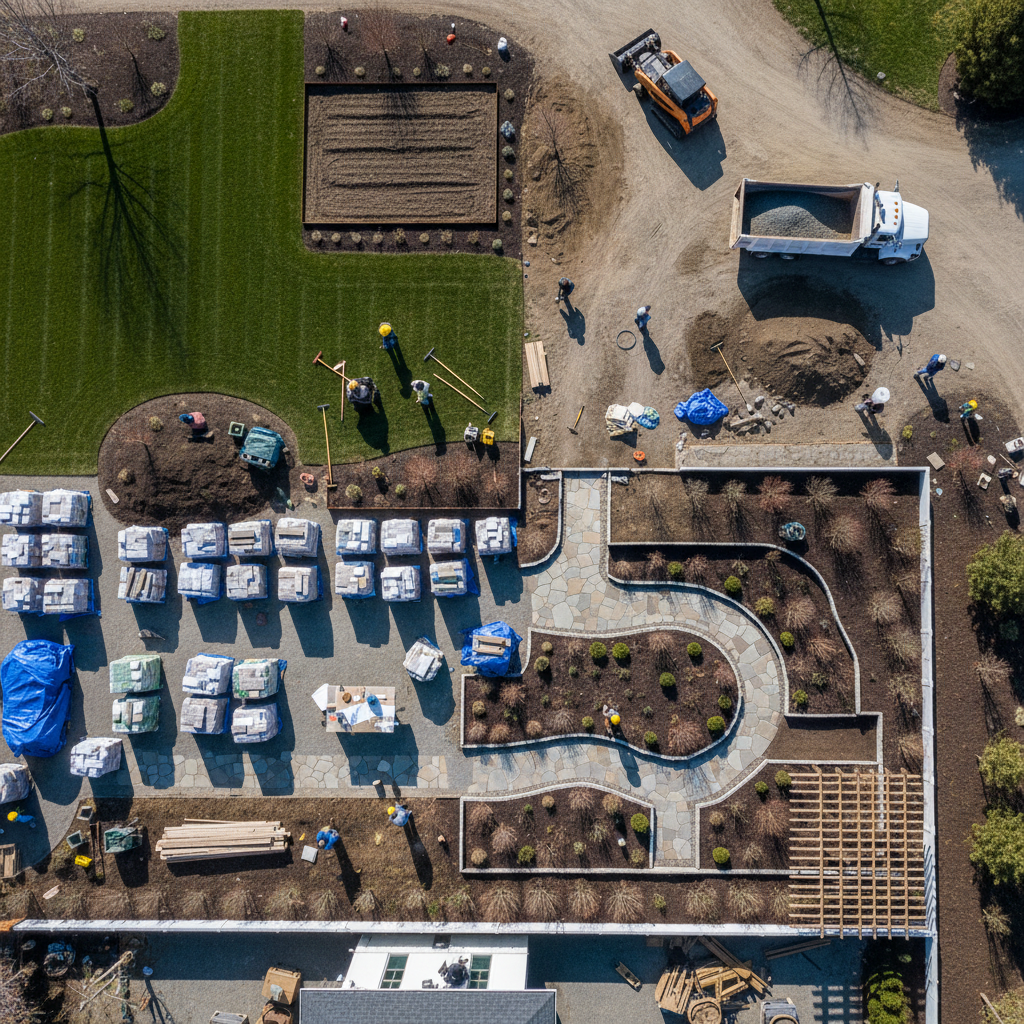
Sloped terrain in Price and Helper presents a unique challenge when managing intense seasonal runoff. On bare, parched ground, water quickly gains velocity, carving deep rills and stripping away precious topsoil before it can ever hydrate the land. This rapid loss of ground stability is a primary concern for yard drainage Utah high desert homeowners, as it can eventually expose foundations or undermine existing structures.
Long term stabilization requires more than a temporary fix like loose straw or unanchored netting. Effective professional landscape improvements usually involve terrace grading to break the slope's momentum. By creating flat tiers, you force water to slow down and infiltrate the soil rather than racing off the property. We combine this structural work with deep-rooted native plantings and professional grade mulch that resists floating or washing away during a cloudburst. Native shrubs and grasses serve as biological anchors, holding the soil in place with expansive root systems that thrive in our alkaline conditions. These residential and commercial landscaping services not only prevent property damage but also preserve the aesthetic and financial value of your lot. If your hillside is showing signs of washing out, you can contact Keith Landscaping to develop a stabilization plan tailored to your specific elevation and soil type.
Frequently Asked Questions About Yard Drainage in Utah
Property owners in Price and Wellington often have similar concerns when facing the realities of our local soil. Addressing these issues requires a clear understanding of both the costs and the physics of water movement in an arid, clay heavy environment. Below are the most common questions we encounter regarding yard drainage Utah high desert challenges.
How much does landscape drainage cost?
For most residential properties in Carbon County, a professional drainage project typically ranges between $1,500 and $4,500. The final price depends on several variables, including the total linear footage of the system, the depth of excavation needed to bypass hardpan layers, and the specific materials required, such as non woven filter fabrics or heavy duty catch basins. Projects involving complex terracing or high volume surface swales may reach the upper end of this range. Investing in professional landscape improvements early can prevent much costlier foundation repairs or basement remediation in the future.
Can I just dig a hole and fill it with gravel to catch the water?
This is a common DIY mistake that often results in the bathtub effect. In our dense Carbon County clay, a gravel filled hole acts as a reservoir rather than a drain. Because the surrounding clay is nearly impermeable, the water remains trapped in the gravel, saturating the ground and potentially destabilizing the soil near your foundation. For a system to work, it must have a clear discharge point where the water can exit the property or be dispersed safely. Without an outlet, you are simply storing water in the ground where it can do the most damage.
How do I fix poor water drainage in my yard?
Fixing drainage issues requires a two tiered approach. First, we evaluate the grade to see if surface water can be naturally directed away from the home using swales or dry creek beds. If the topography is flat or the soil is too compacted to allow runoff, we implement subsurface residential and commercial landscaping services. This involves installing French drains or catch basins that collect the water and transport it through solid pipes to a lower elevation. If you are unsure which method your property needs, you can contact Keith Landscaping for a site assessment to identify the most effective solution for your specific soil profile.
Managing yard drainage in Carbon County requires a careful approach to our unique clay and alkaline soils. By implementing the right grading techniques and drainage systems, you can protect your landscape from water damage and keep your property healthy. While these projects can be challenging to tackle alone, we are here to support your goals. If you want expert help with your next outdoor project, feel free to learn more about our team and how we serve the Utah high desert. We are ready to help you create a lasting solution for your yard.