Successful xeriscape Utah high desert strategies involve implementing the seven core principles of water-wise landscaping, such as soil improvement and efficient irrigation. Homeowners should prioritize hardy, drought-tolerant plants like Russian Sage, Utah Serviceberry, and Penstemon while limiting high-water turf areas. Utilizing organic mulch and planning for consistent maintenance ensures a sustainable garden that withstands Carbon County's arid climate.
Maintaining a lush green lawn in Carbon County often feels like a losing battle against the relentless Utah sun and high desert winds. Homeowners frequently face skyrocketing water bills only to see their investment wither in the alkaline soil and extreme temperature swings. A beautiful yard should not be a burden; it should be a functional extension of your home that thrives in our local climate. In this guide, we will explore practical xeriscaping strategies specifically designed for Carbon County landscapes. You will learn the essential principles of high desert design, the most resilient native plant selections, and how to use mulch and hardscaping to reduce maintenance. From ground cover alternatives to year round curb appeal, these expert tips will help you transform your outdoor space into a sustainable sanctuary.
Understanding Xeriscape in the Carbon County Climate
Xeriscaping is frequently confused with "zeroscape," a term that suggests a barren landscape of nothing but rocks and gravel. In reality, a well planned xeriscape Utah high desert design is a living, breathing ecosystem that prioritizes water efficiency through smart plant selection and soil management. It is a specific methodology focused on conservation without sacrificing aesthetics. For residents in Price, Helper, and Wellington, this approach is the most practical way to maintain professional curb appeal in a region defined by its harsh growing conditions.
Carbon County presents unique challenges that standard landscaping models fail to address. Our local environment is characterized by high alkaline pH levels in the soil, intense UV radiation, and minimal precipitation. While a traditional lush lawn might look appealing in a magazine, maintaining one in our high desert climate requires excessive irrigation and constant routine maintenance and seasonal clean-ups to prevent browning. By contrasting these water intensive lawns with locally adapted landscapes, it becomes clear why xeriscaping is essential.
Effective xeriscaping involves more than just swapping grass for stones. It requires understanding how to improve soil drainage and selecting vegetation that can withstand the freezing winters of Helper and the scorching, dry heat of Price. Our residential and commercial landscaping services focus on building functional spaces that utilize native plants and efficient irrigation. This ensures your property looks its best year round while significantly reducing water waste and long term costs. For more information on transitioning your property, you can Contact Keith Landscaping to discuss your specific site needs.
The 7 Principles of Xeriscaping Adapted for Utah High Desert Homes
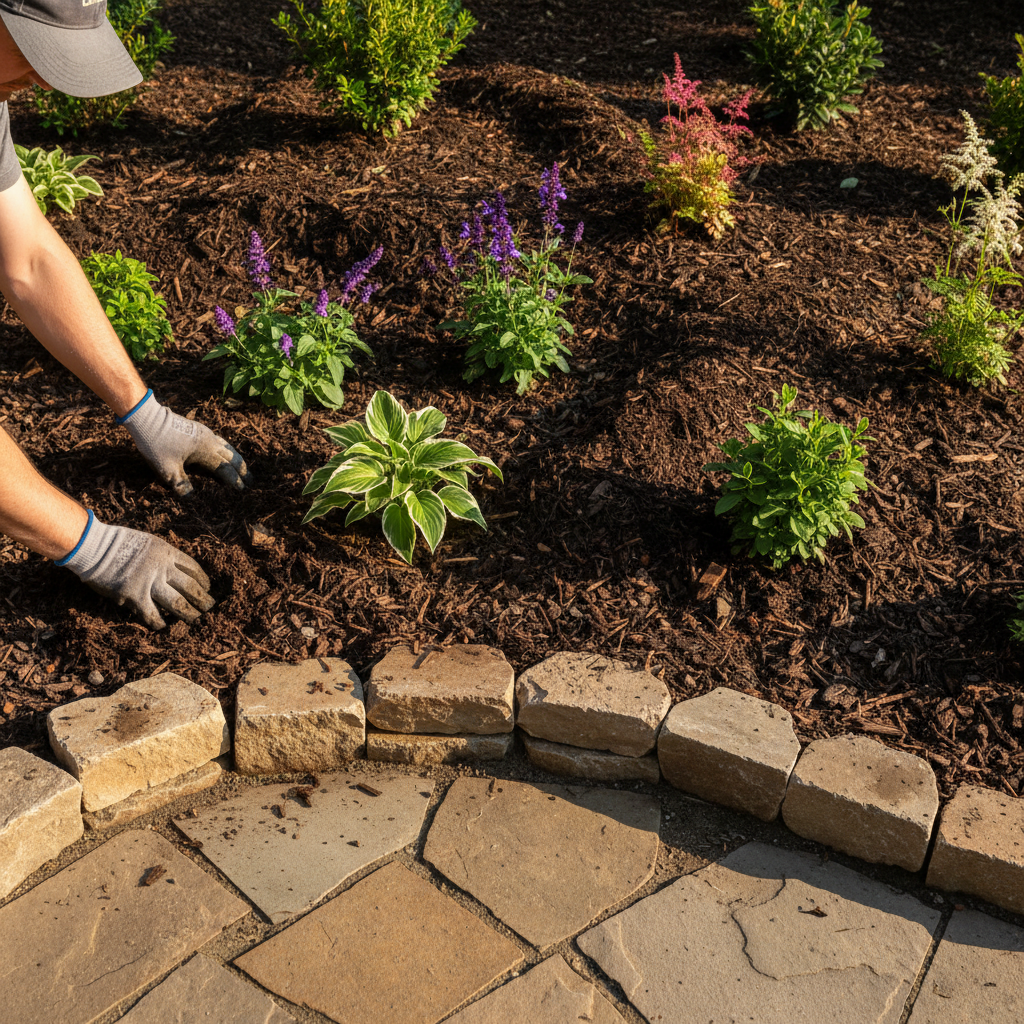
Implementing a xeriscape Utah high desert strategy requires adhering to seven core principles, each modified to address the environmental realities of Carbon County. These steps provide a roadmap for creating a landscape that is both beautiful and resilient.
Planning and Design: Successful designs account for local microclimates. In areas like Helper, where canyon winds can be persistent and drying, we position taller shrubs or structures to act as windbreaks. This protects smaller plants from rapid moisture loss and windburn.
Soil Improvement: Carbon County is known for heavy clay and high alkaline pH levels. Before planting, it is vital to incorporate organic matter to improve drainage and aeration. This helps lower the pH slightly, making nutrients more accessible to the plants.
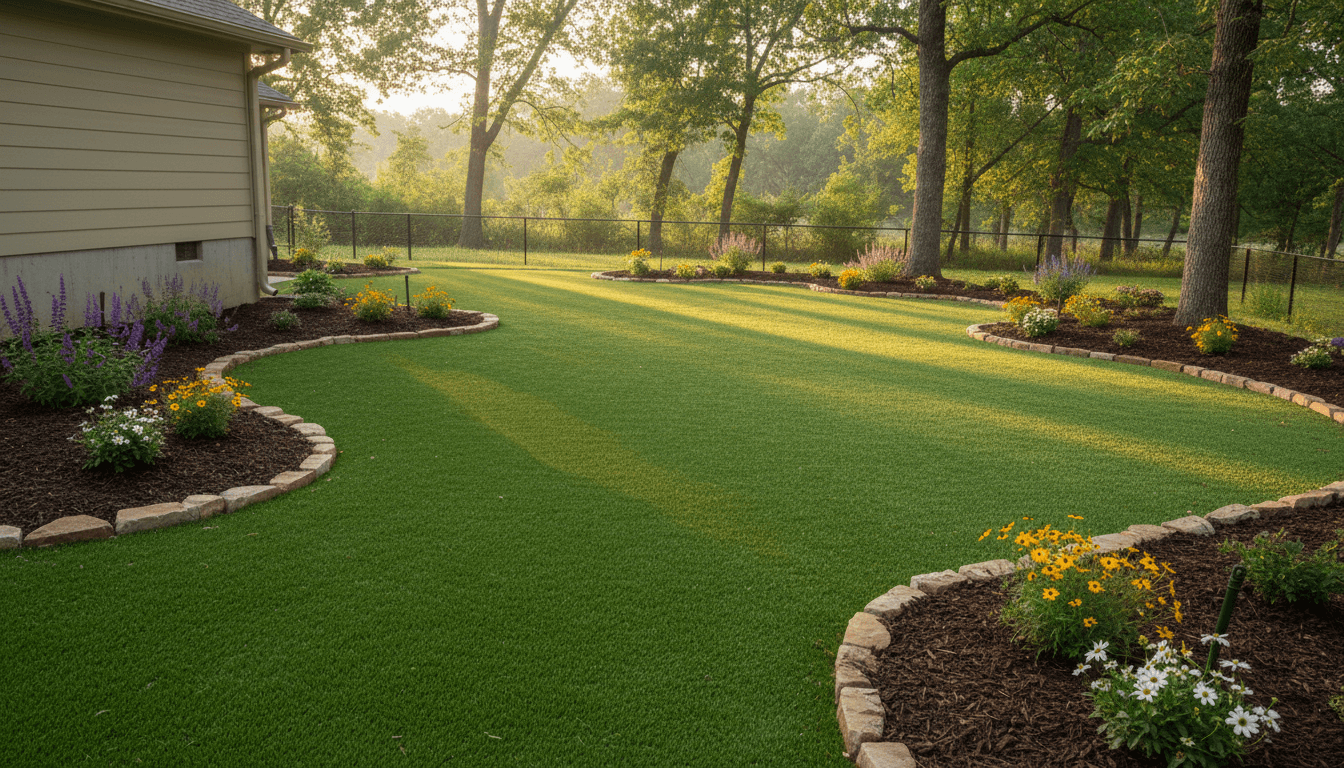
Practical Turf Areas: You do not have to remove every square inch of grass. Instead, we recommend reducing turf to functional areas where it will actually be used for recreation. This allows for easier management while still providing the cooling benefits of a lawn.
Efficient Irrigation: High desert heat leads to high evaporation rates with traditional sprinklers. Transitioning to drip irrigation systems ensures water reaches the root zones directly, which is a core component of our residential and commercial landscaping services.
Mulch: While decorative rock is popular, it often retains and radiates heat, which can stress plants during a Price summer. We frequently recommend wood chips or bark mulch; these organic materials keep soil temperatures lower and gradually improve soil quality as they decompose.
Plant Selection: Choosing vegetation that evolved in or is adapted to Zone 5 and 6 environments is the most critical step. This ensures the landscape can survive both the deep winter freezes and the intense summer sun.
Maintenance: It is a misconception that xeriscaping means zero work. While these landscapes require less water, they still need routine maintenance and seasonal clean-ups to manage weeds and prune growth. Proper care prevents a water-wise yard from looking like a neglected field.
Principle | High Desert Application | Key Benefit |
|---|---|---|
Soil Prep | Adding organic compost to clay | Improved drainage and nutrient uptake |
Mulching | Bark or wood chips over rock | Lower soil temperature and moisture retention |
Irrigation | Sub-surface drip lines | Minimized evaporation and weed growth |
By following these principles, property owners can achieve a balanced, sustainable environment. If you need assistance evaluating your property's specific soil or wind conditions, you can Contact Keith Landscaping to begin the design process. The next step in this transition is selecting the specific species that will thrive in these conditions.
Best Drought Tolerant Plants for Carbon County High Desert Landscapes
Choosing the right flora is the most visible step in executing a successful xeriscape Utah high desert project. In Carbon County, plants must endure a drastic temperature swing that ranges from sub-zero winter nights in Helper to triple-digit afternoon heat in Price. We focus on species rated for USDA Hardiness Zones 5 and 6, prioritizing those that have evolved to handle high alkalinity and low humidity without supplemental watering once established.
Shrubs provide the structural backbone of the landscape. Utah Serviceberry is an excellent choice, offering white spring blooms and edible berries while remaining incredibly hardy. For late-season color, Rabbitbrush is a staple; its vibrant yellow flowers thrive in poor, rocky soil where other plants might struggle. These woody plants anchor the design and provide year-round interest even when the perennials go dormant.
Perennials add the necessary texture and seasonal color to the ground level. Russian Sage is a favorite for its silvery foliage and purple spikes, known for its extreme drought tolerance and resistance to local pests. Various species of Penstemon, also known as Beardtongue, are essential for high desert gardens. These native perennials are specifically adapted to the well-drained slopes common in our region and come in a wide variety of colors to suit any aesthetic.
Plant Name | Type | Key Feature |
|---|---|---|
Utah Serviceberry | Shrub | Spring blooms and bird-friendly berries |
Rabbitbrush | Shrub | Exceptional heat hardiness and late-summer color |
Russian Sage | Perennial | Long-blooming spikes and silvery, deer-resistant foliage |
Penstemon | Perennial | Native variety that thrives in rocky, lean soils |
To achieve a professional look, we recommend the 70/30 rule. Devote 70% of your planting area to these rugged, drought-tolerant species. The remaining 30% can be reserved for higher-maintenance accent areas near entryways or patios where you might want more lush growth. This balance ensures your property remains manageable while still offering visual variety. Our residential and commercial landscaping services include selecting the specific varieties that fit your lot's unique sun exposure. If you are unsure which plants will survive your specific soil conditions, you can Contact Keith Landscaping for an expert evaluation. Proper placement at the start reduces the need for intensive routine maintenance and seasonal clean-ups later on.
Drought Tolerant Ground Cover and Grass Alternatives
While perennials and shrubs provide structure, ground covers act as a living mulch that suppresses weeds and binds the soil. For homeowners seeking a ground cover you can walk on, Creeping Thyme is a resilient option that thrives in our local alkaline soil. It withstands light foot traffic and releases a pleasant scent when stepped on, making it ideal for pathways. Sedum, also known as Stonecrop, offers a succulent-like texture that excels in the most sun-drenched corners of a xeriscape Utah high desert garden.
Managing the uneven terrain common in Carbon County residential lots requires plants that prevent soil erosion. Blue Rug Juniper is a foundational choice for slopes in Helper or Price; its dense, spreading habit anchors the earth against heavy rain or wind. When traditional turf is desired but water conservation is the priority, native grasses offer a superior alternative to standard Kentucky Bluegrass. Buffalo Grass and Blue Grama require a fraction of the water and significantly less mowing, maintaining a professional appearance with minimal effort.
Ground Cover Option | Best Use Case | Maintenance Level |
|---|---|---|
Creeping Thyme | Walkable pathways | Low; occasional trimming |
Blue Rug Juniper | Steep slopes and erosion control | Very Low; drought established |
Buffalo Grass | Native turf alternative | Medium; infrequent mowing |
Integrating these varieties into your design ensures a clean, functional outdoor space. Our residential and commercial landscaping services focus on installing these alternatives correctly to ensure long term health. To keep these areas looking their best, we also provide routine maintenance and seasonal clean-ups tailored to high desert species. For a site-specific recommendation, you can Contact Keith Landscaping to evaluate your lot's topography.
Hardscaping and Mulch: Building Functional High Desert Spaces
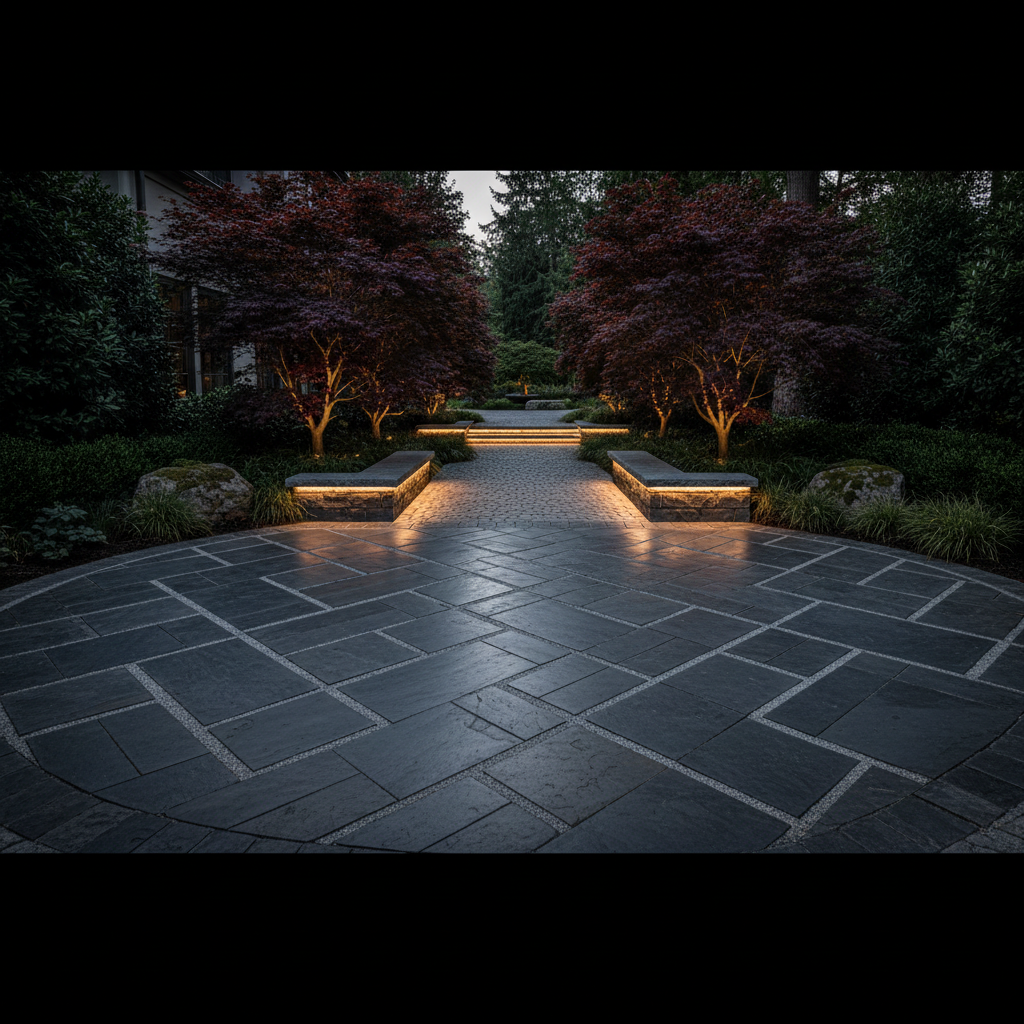
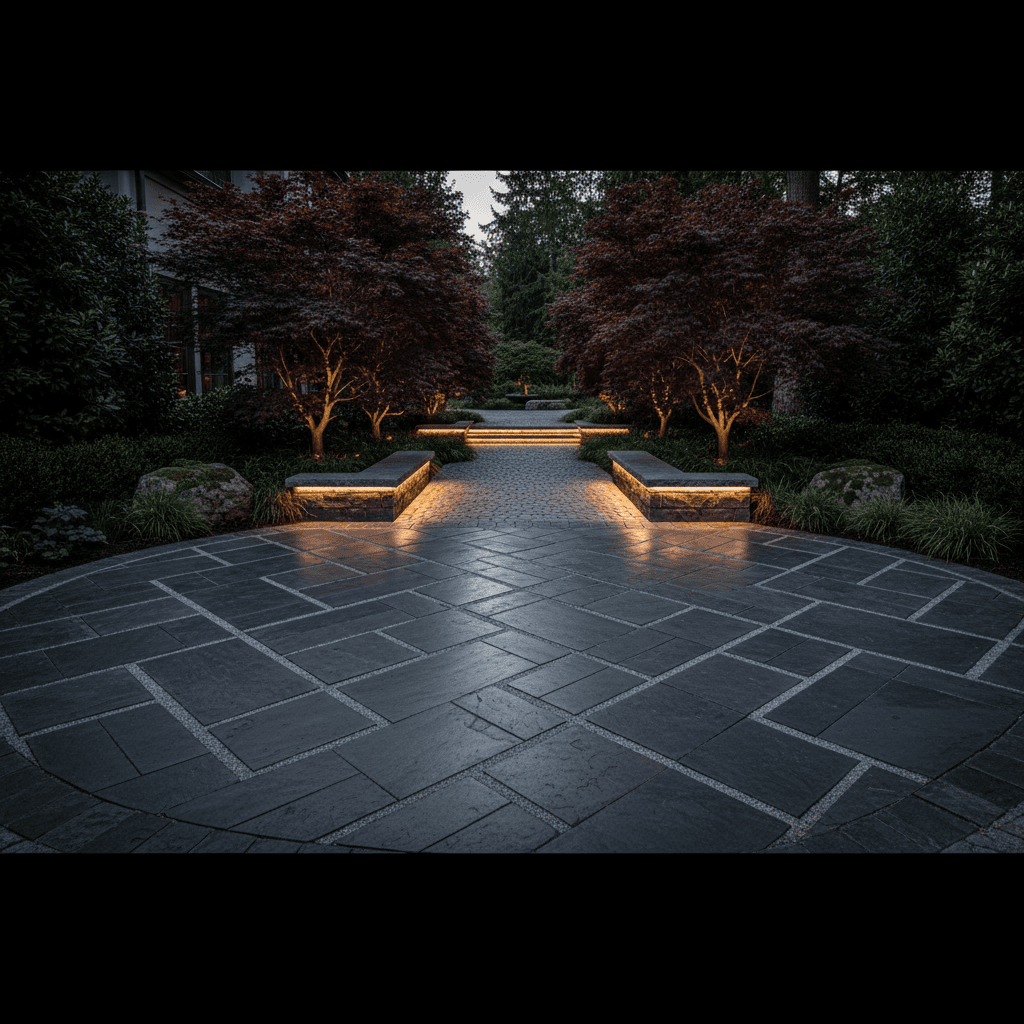
Hardscaping provides the structural foundation for a successful xeriscape Utah high desert design. By incorporating non-living elements like local flagstone or decorative rock, you define the usable areas of your property while naturally reducing the square footage that requires irrigation. In Carbon County, using local stone for patios and walkways creates a seamless transition between the home and the rugged landscape. These solid surfaces can also be graded to direct precious rainwater toward planting zones, maximizing every drop that falls on your lot.
Selecting the right ground cover involves balancing moisture retention with heat management. While decorative gravel is a popular choice for its clean appearance and durability, it can reflect intense UV radiation and increase ground temperatures. Dark organic mulch is often superior for planting beds because it insulates the soil and keeps root systems cool during scorching Price afternoons.
Material | Best Application | Heat Impact |
|---|---|---|
Local Flagstone | Patios and primary walkways | Moderate; absorbs and holds warmth |
Decorative Gravel | Open spaces and drainage paths | High; reflects heat onto nearby plants |
Dark Wood Mulch | Around perennials and shrubs | Low; insulates soil and retains moisture |
Creating clean, functional spaces is a core focus of our residential and commercial landscaping services. A common pitfall for DIY projects in our region is failing to account for weed breakthrough. Professional installation involves using high-grade geotextiles and precise excavation to ensure that stone and mulch layers remain distinct and weed-free. Without these professional methods, the high desert winds will quickly deposit seeds that take root in shallow rock beds. To ensure your hardscaping remains a low-maintenance asset, you can Contact Keith Landscaping for an expert site evaluation. Even with a durable design, scheduling routine maintenance and seasonal clean-ups ensures that debris does not accumulate and compromise your property's professional appearance.
Maintaining Your High Desert Landscape for Year-Round Curb Appeal
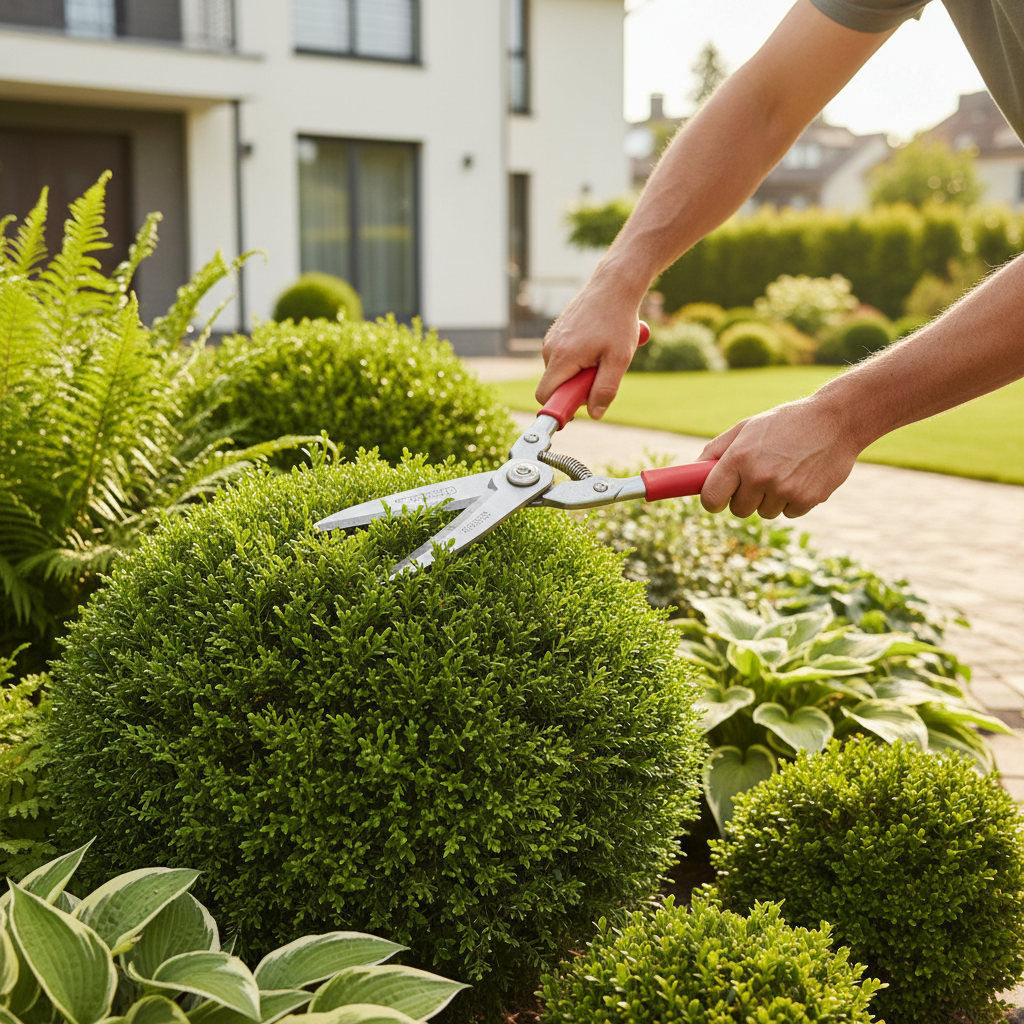
Moving from the installation of hardscaping and mulch to long-term preservation ensures these elements continue to serve their purpose. A xeriscape Utah high desert design relies on specific, timely care to remain intentional and attractive. Without routine maintenance and seasonal clean-ups, windblown seeds can turn a pristine rock bed into a weed-choked patch in just one season. Weeding must be proactive, especially during the brief spring moisture window when invasive species take hold quickly.
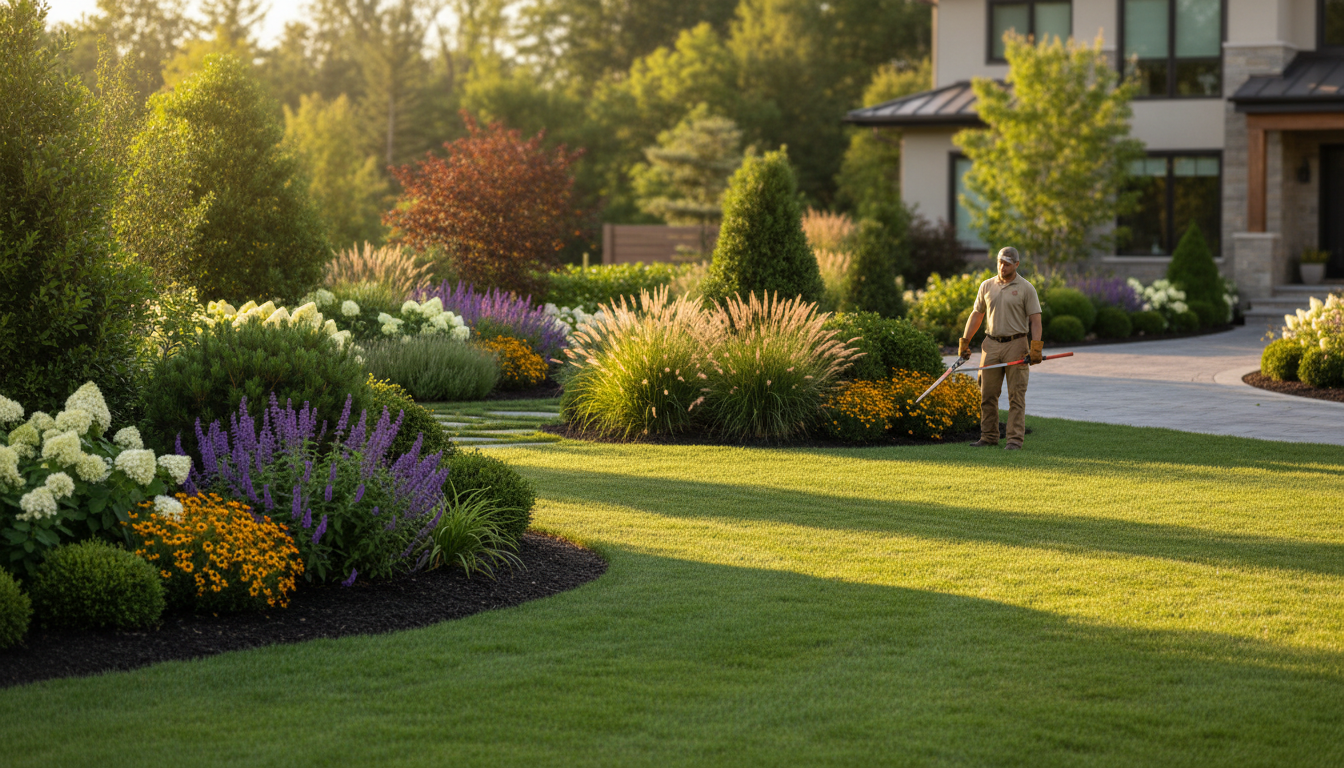
Seasonal pruning is also critical for maintaining plant health and structure. Our team understands the specific timing required for the Carbon County climate, ensuring that plants like Russian Sage or Rabbitbrush are trimmed back to encourage vigorous growth while avoiding damage from late-season frosts in Helper or Price. Furthermore, drip irrigation systems require frequent monitoring to ensure mineral deposits from local alkaline water have not clogged emitters. Neglect quickly leads to a landscape that looks like an abandoned field rather than a managed property. Professional residential and commercial landscaping services provide the consistency needed to protect property value. To keep your outdoor space looking its best, Contact Keith Landscaping for a maintenance evaluation.
Creating a drought-tolerant yard in Carbon County is a rewarding way to balance environmental stewardship with stunning curb appeal. By prioritizing native species and smart irrigation, your landscape can truly thrive in the Utah high desert. If you want expert help navigating these unique local conditions, we would be happy to discuss your specific needs. You can learn more about our team and how we help local homeowners design sustainable outdoor spaces that remain beautiful throughout every season.