Treating a snow mold lawn in Utah requires raking the matted grass in early spring to improve airflow and facilitate drying. Long-term prevention is achieved by keeping thatch under half an inch through aeration and applying fungicides in late November before the snow falls. These steps help manage the fungal disease common in high-desert landscapes where prolonged snow cover creates ideal conditions for growth.
As the snow recedes from your Carbon County lawn, the sight of matted, crusty patches of turf can be a disheartening surprise for any homeowner. These unsightly areas are often the result of snow mold, a fungal condition that thrives under the heavy, lingering snowpack typical of our Utah high desert climate. While these patches may look like a permanent loss, understanding the biology of this winter pathogen is the first step toward restoring your landscape. At Keith Landscaping, we recognize that local lawns face unique stressors; effective management requires more than just a quick rake. In this guide, we will examine the differences between gray and pink snow mold, outline essential fall prevention strategies, and provide a clear roadmap for repairing damage this spring. With the right approach, you can transition your turf from winter dormancy to vibrant, resilient growth.
Understanding Snow Mold in Utah High Desert Climates
Snow mold is a cold-weather fungal disease that becomes active under the snowpack, typically appearing as the spring melt begins in late February or March. In Carbon County, our high-desert climate presents a specific challenge; we often experience heavy snowfalls that sit on ground that has not yet fully frozen. This creates a moist, insulated pocket between the soil and the snow, providing an ideal incubator for fungi even when air temperatures are freezing.
Two primary types of fungi affect a snow mold lawn in Utah. Gray snow mold, or Typhula blight, requires extended snow cover to develop and primarily affects the grass blades. Pink snow mold, known as Microdochium patch, is more aggressive and can survive even without significant snowpack. It is particularly troublesome in the Great Basin region because it can damage the crown of the grass, leading to potential plant death if left unmanaged. While high-desert humidity is generally low, the moisture trapped beneath a thick snowpack at our altitude creates a microclimate that mimics more humid regions of the East Coast, allowing these fungi to thrive.
Homeowners often worry when they see bleached, matted patches, asking: can grass recover from snow mold? In most cases, the answer is yes. Although the grass looks dead, the fungus usually only consumes the leaf tissue. If the crown, the growing point at the base of the plant, remains healthy, the lawn will typically regrow as temperatures rise. Providing dependable residential and commercial landscaping services involves assessing this damage early. Proper recovery starts with Essential Fall Lawn Care for Utah to ensure the turf is strong enough to withstand the winter dormant period.
Identifying Gray vs. Pink Snow Mold on Your Lawn
In the Great Basin region, particularly throughout Carbon County, these fungal patches typically emerge as the snowpack recedes in late February or March. Identifying which type of fungus has taken hold is the first step toward effective recovery.
Gray snow mold, or Typhula blight, is usually identified by distinct circular patches that range from a few inches to several feet in diameter. The grass within these circles appears light brown or straw-colored and is often matted flat against the soil. If you inspect the area closely while it is still damp, you may see a visible gray-white fungal web, known as mycelium, stretching across the blades.
Pink snow mold, or Microdochium patch, is the more aggressive threat to a snow mold lawn in Utah. While it also forms circular patches, these often exhibit a characteristic white-pinkish hue along the outer edges of the diseased area. Unlike the gray variety, pink snow mold can survive without deep snow cover and is notorious for attacking the grass crown, the vital growing point at the base of the plant. Recognizing these signs early allows for more effective spring repair, especially for property managers who rely on dependable residential and commercial landscaping services to maintain professional standards.
Fall Prevention: The Best Defense Against Winter Kill
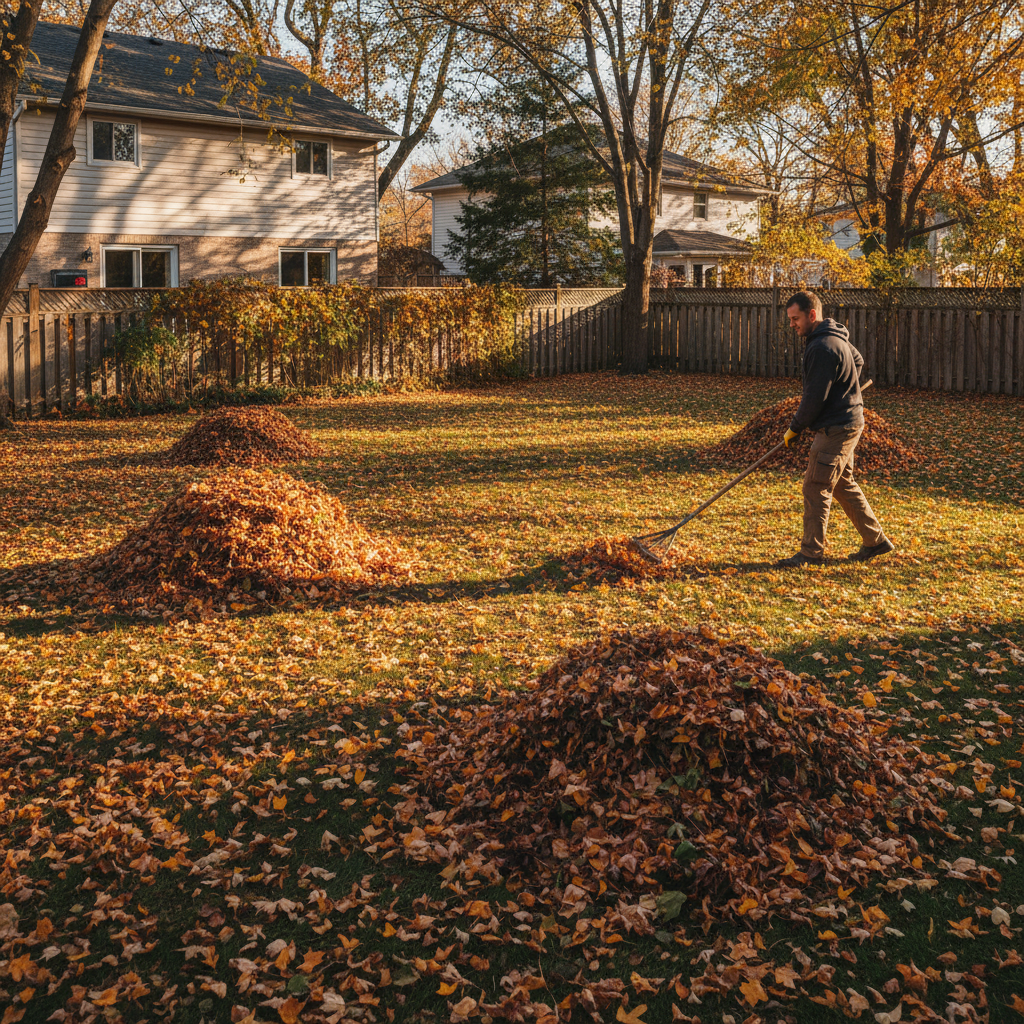
Preventing winter damage begins long before the first frost settles on the Book Cliffs. For a snow mold lawn in Utah, the goal of fall maintenance is to reduce the amount of moisture and organic matter trapped at the soil surface. By taking specific cultural steps in October and November, you can significantly decrease the likelihood of seeing those bleached, matted circles come springtime.
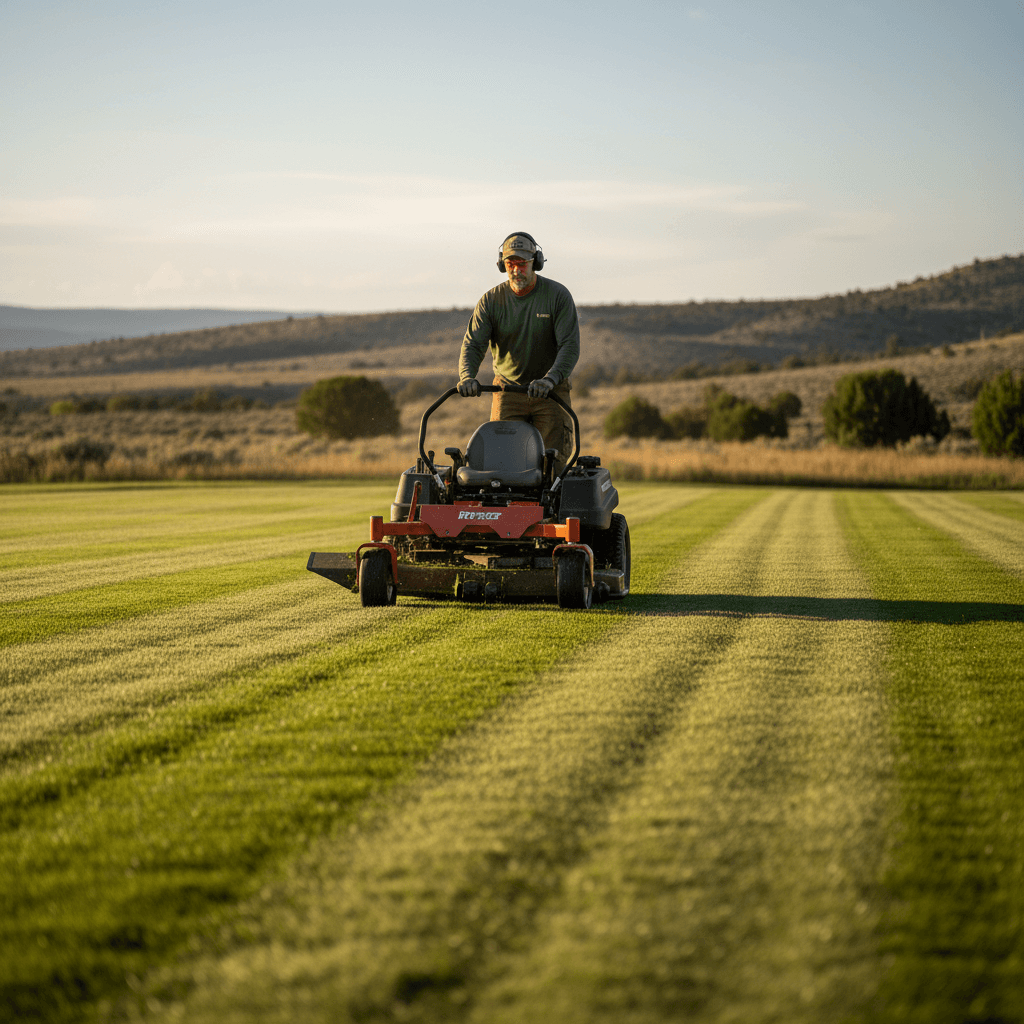
Late-season mowing is your first line of defense. As the growing season winds down, gradually lower your mower deck so that the final cut of the year stands at 2 to 2.5 inches. If the grass is left too long, the blades will bend and mat under the weight of heavy snowpack. This matted grass creates a moist, insulated barrier that prevents airflow and encourages fungal colonization. A shorter, upright turf allows for better air circulation and a faster melt rate once the sun returns.
Thatch management and core aeration are particularly vital for the clay-heavy soils found throughout Carbon County. Thatch is the layer of organic debris that sits between the green grass blades and the soil surface. If this layer exceeds half an inch, it acts like a sponge, holding excessive moisture against the grass crowns all winter. Providing dependable residential and commercial landscaping services often involves performing core aeration in the fall to break up this layer. By pulling small plugs of soil, you improve drainage and allow oxygen to reach the root zone, which naturally helps the soil process organic matter and reduces the habitat for gray and pink snow mold.
Finally, be cautious with late-season fertilization. You should avoid applying high-nitrogen fertilizers as the lawn approaches dormancy. Nitrogen triggers succulent, tender new growth that lacks the cellular strength to resist fungal invasion; essentially, it provides a fresh food source for mold. Instead, follow the Essential Fall Lawn Care for Utah by opting for slow-release formulas that prioritize root health over leaf production. This ensures the plant is hardy and prepared for the stresses of the Great Basin winter.
Smart Snow Management to Protect Your Grass
While fall maintenance sets the stage, your snow removal habits during December and January determine the level of fungal pressure your turf faces in March. A common mistake among property owners in Price and Helper is piling heavy snow from driveways, sidewalks, and decks onto specific sections of the lawn. These concentrated, compacted piles create a dense insulation layer that stays frozen far longer than the surrounding turf. This creates the dark, moist, and oxygen-deprived environment where gray and pink fungi thrive, often resulting in winter kill because the grass remains smothered and saturated for weeks past the natural melt cycle.
To protect a snow mold lawn in Utah, focus on even distribution. Instead of creating massive banks along your driveway, spread the snow as uniformly as possible across the yard. This ensures a consistent melt rate and prevents localized moisture saturation that invites disease. Pay special attention to north facing yards or areas shaded by buildings; these spots already struggle with slow drainage and are prime candidates for fungal outbreaks. By managing your snow placement, you support dependable residential and commercial landscaping services by maintaining a healthy, aerated environment throughout the coldest months.
Spring Repair: How to Fix Snow Mold Patches

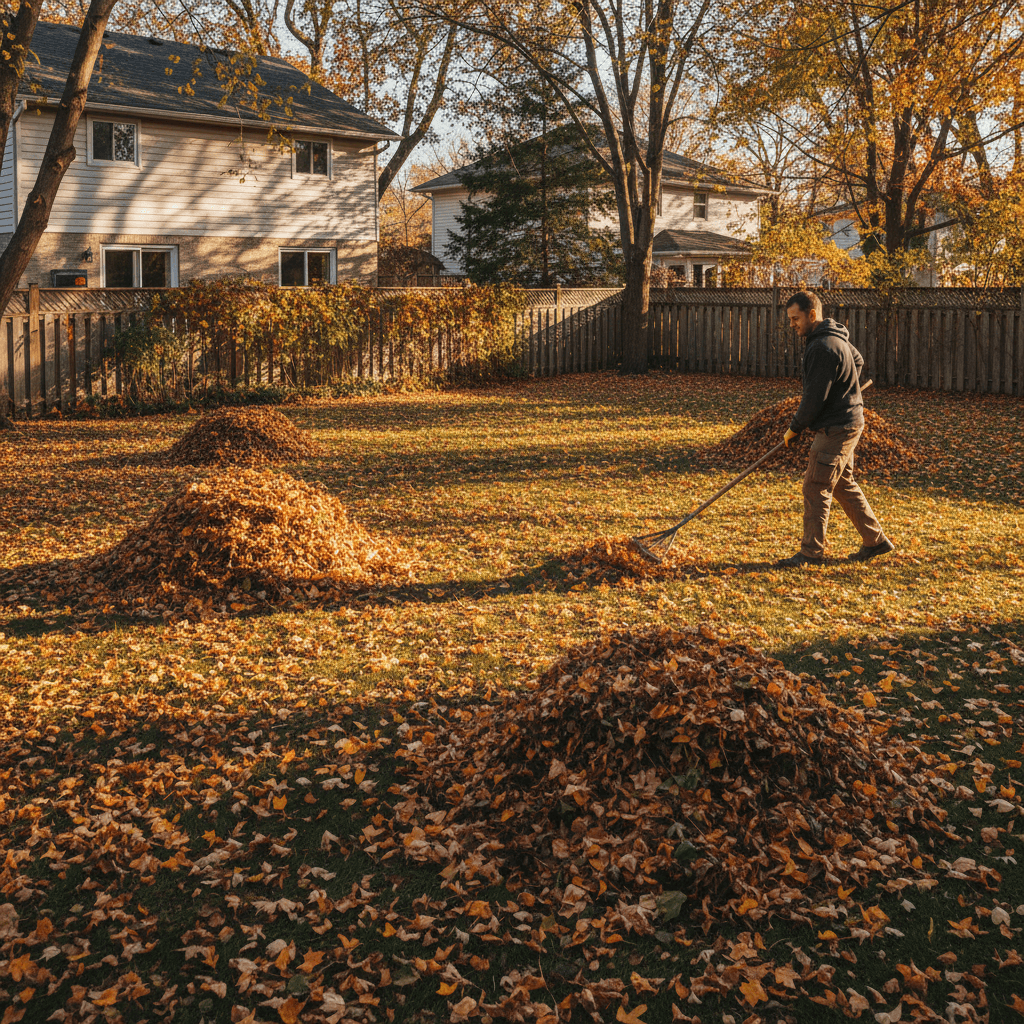
Once the snow finally recedes from your property, your first priority is to break the seal created by the matted turf. Gently raking the affected areas is the most effective way to jump-start recovery. Use a plastic leaf rake rather than a heavy garden rake to avoid damaging the already stressed crowns. By lightly lifting the matted blades, you allow air to circulate and sunlight to reach the soil, which naturally halts the fungal activity. This simple step is crucial for a snow mold lawn in Utah, as it prevents the damp environment from lingering and causing further rot.
After raking, monitor the patches for ten to fourteen days. If you see new green growth emerging from the centers of the straw-colored circles, the grass is recovering on its own. However, if the patches remain brown and the base of the grass feels mushy or pulls away from the soil easily, the fungus likely killed the plant crowns. Many homeowners ask: what time of year is best to repair a lawn? In the Carbon County climate, the ideal window is early spring, specifically between late March and mid-April. This timing aligns with rising soil temperatures, usually around 50 to 55 degrees Fahrenheit, which allows new seed or sod to establish roots before the intense high-desert heat of summer arrives.
Repair Method | Patch Size | Best For |
|---|---|---|
Natural Regrowth | Under 3 inches | Healthy crowns with minimal matting |
Over-seeding | 3 to 12 inches | Thinning areas with some viable turf |
Sod Replacement | Over 12 inches | Total crown death or large bare spots |
For larger bare patches, you must use high-quality seed or sod specifically adapted for high-desert zones to ensure long-term survival. Providing dependable residential and commercial landscaping services means selecting turf varieties that can withstand our alkaline soil and temperature swings. While you prepare these areas, consult our guide on When to Start Watering Your Lawn in Utah to ensure your new repairs receive the moisture they need to thrive without over-saturating the soil.
Long-Term Resilience: Beyond Snow Mold

Building long-term resilience starts with the root system. A healthy, vigorous turf is far less likely to become a struggling snow mold lawn in Utah when spring arrives. The most effective way to strengthen your grass is through deep, infrequent watering. Instead of daily shallow cycles that keep roots near the surface, apply enough water to penetrate six to eight inches into the soil. This practice forces roots to grow downward in search of moisture, creating a robust foundation that can better withstand the thermal stress of freezing high-desert soils.
General health also helps the lawn resist other common local stressors like lawn rust, which often appears in late summer when nitrogen levels dip and humidity fluctuates. While rust rarely kills the grass, it weakens the plant's energy reserves just as it should be preparing for dormancy. By maintaining balanced soil nutrition and proper airflow, you minimize the risk of both autumn rust and winter fungi. Achieving this level of health requires a proactive approach rather than a reactive one. Consistent, dependable residential and commercial landscaping services ensure that mowing heights, aeration schedules, and irrigation adjustments are handled precisely. When a property receives professional attention throughout the growing season, it enters the winter months with the structural integrity needed to survive the heavy snowpack of Carbon County.