Effective fall lawn care Utah high desert involves consistent mowing until growth stops, core aeration to address compacted soil, and applying a final fertilizer treatment in early November. Homeowners should also manage fallen leaves to prevent snow mold while ensuring sprinkler systems are fully winterized before freezing temperatures arrive. These steps strengthen root systems and prepare the turf for a healthy recovery in the spring.
Watching your vibrant green grass surrender to the cooling temperatures of a Carbon County autumn can be a source of frustration, especially when the high desert environment offers so little room for error. The transition from our searing summer heat to the bitter winter frost creates a narrow window for recovery; if you miss it, your landscape pays the price in the spring. At Keith Landscaping, we understand that successful fall care requires more than just a quick rake. This guide details the precise steps necessary to fortify your property against our unique climate. We will cover the mechanics of the final mow to prevent snow mold, the critical role of aeration and fertilization in building root resilience, and the exact timing for sprinkler winterization to protect your infrastructure. Preparing now ensures a thriving, healthy return when the snow finally melts.
The Unique Challenges of High Desert Fall Landscaping in Carbon County
Landscaping in Carbon County requires a significantly different approach than the Wasatch Front. Our autumn timeline is compressed, characterized by earlier freezes and dramatic temperature fluctuations that can catch a landscape off guard. Effective fall lawn care Utah high desert residents perform centers on the process of hardening off, which involves preparing turf and perennials for extreme cold and the drying effects of low humidity. Unlike more temperate regions, our plants must endure a rapid transition from late summer heat to deep winter freezes.
In areas like Price and Helper, these challenges are intensified by highly alkaline soil. This high pH level often hinders nutrient uptake, making it difficult for grass to absorb essential minerals as it transitions toward dormancy. Without proper management, plants may enter winter in a weakened state, susceptible to desiccation. Addressing these soil conditions requires specialized knowledge and reliable residential and commercial landscaping services that understand the specific chemistry of our region. The goal is to build root resilience before the ground freezes solid, which often occurs weeks before it does in lower elevations. By focusing on these local variables, homeowners can ensure their outdoor spaces survive the winter and thrive come spring. If you have questions about your property's specific needs, you can read about our professional team and our local expertise.
Mastering the Final Mow: Prevent Snow Mold and Winter Stress
Transitioning from soil preparation to physical maintenance requires a strategic shift in your mowing routine. For the specific fall lawn care Utah high desert properties require, the final mow is a critical step in disease prevention rather than just aesthetics. Carbon County lawns primarily consist of Kentucky Bluegrass and Fescue blends, which are durable but susceptible to fungal issues if handled incorrectly during the transition to dormancy.
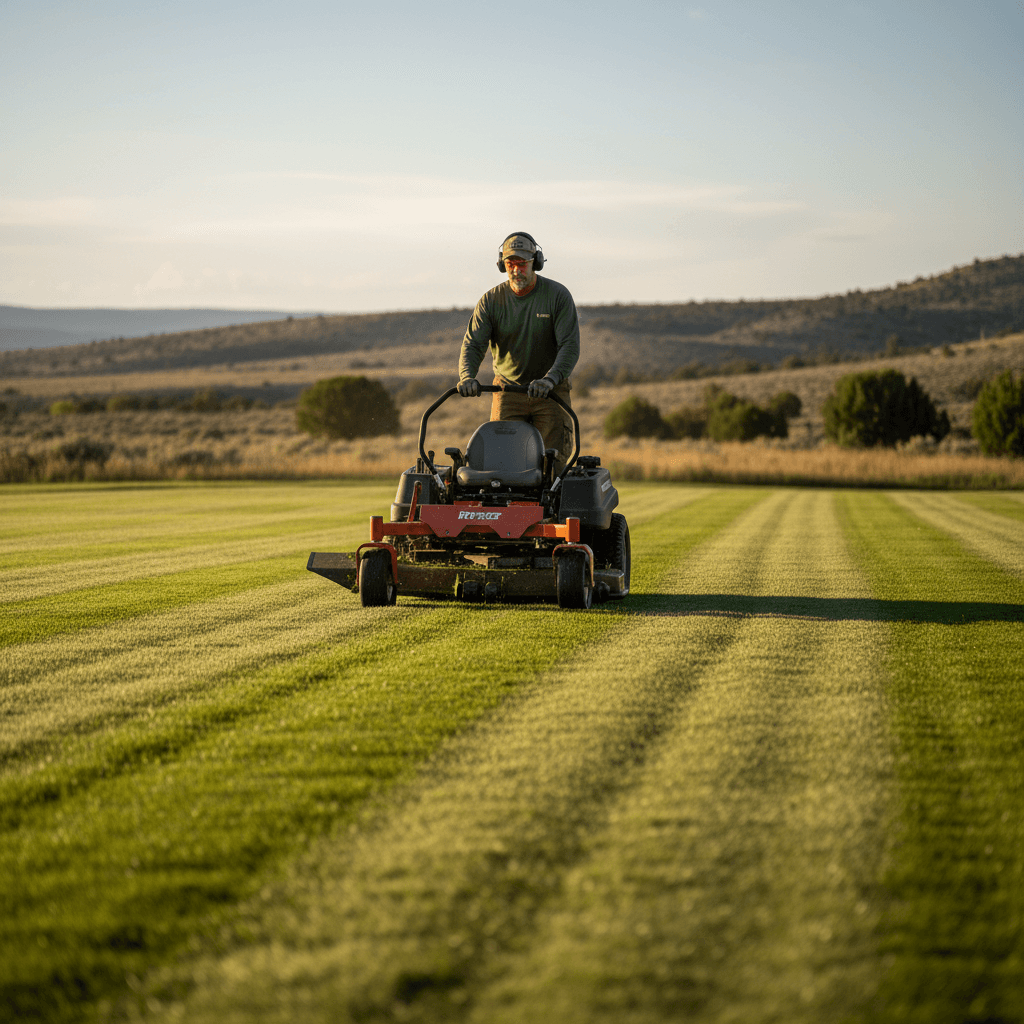
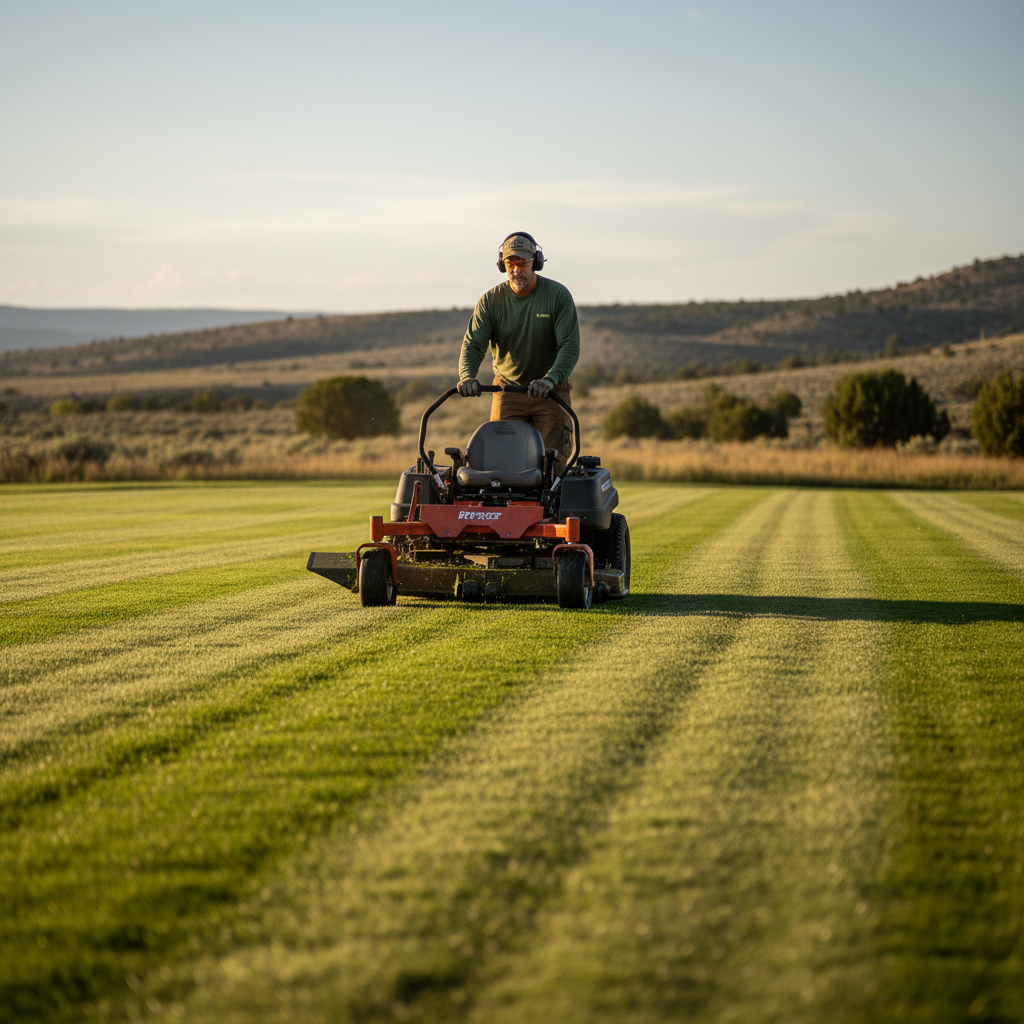
Generic landscaping advice often suggests a standard height, but our local environment demands more precision. You should gradually lower your mower deck over your last three or four mows of the season. Aim for a final height of 2 to 2.5 inches for that final cut. If the grass remains at its summer height of 3.5 inches or taller, the heavy, wet snow loads common in Price and Helper will cause the blades to mat down. This matting traps moisture against the soil and the crown of the plant, creating the perfect environment for snow mold to develop under the snowpack throughout the winter months.
Maintain your mowing schedule until the grass physically stops growing. In the high desert, this usually occurs in late October when air temperatures consistently stay below 40 degrees Fahrenheit. Stopping the process too early leaves the lawn shaggy, which increases winter stress and invites pests. If your schedule is tight as the frost sets in, reliable residential and commercial landscaping services can manage these final technical cuts. Ensuring the turf is trimmed to the correct specification is the most effective way to prevent the matted, grey patches of snow mold that often plague local yards in March. To learn more about our local expertise, you can read about our professional team and our approach to seasonal maintenance.
Aeration and Fall Fertilization: Building Root Resilience
While the final mow protects the surface, fall lawn care Utah high desert properties need focuses heavily on what happens below ground. In Price and Helper, the soil is often compacted and clay-heavy, which creates a barrier for water and nutrients. Core aeration is the most effective way to break this compaction. By removing small plugs of soil, we allow the root system to breathe and create direct channels for the season's most important nutrient application.
Fall is the most critical window for fertilizing turf grass in our region. You should use a winterizer blend specifically formulated with higher potassium levels. While spring fertilizers focus on top-growth and greening, fall applications focus on root resilience. Potassium strengthens the cellular structure of the grass, acting like an internal insulation that helps the lawn survive the deep freezes and low humidity of a Carbon County winter. This nutrient loading ensures the grass has enough stored energy to emerge healthy when the ground thaws.
It is vital to distinguish between turf and woody plants during this process. Following USU Extension guidelines, we advise against fertilizing trees and shrubs in the late fall. Nitrogen applications to woody plants can stimulate a flush of tender new growth that will be instantly killed by our early freezes, causing unnecessary dieback and stress. Focus your nutrient efforts solely on the turf grass.
Achieving the right balance in alkaline soils requires a systematic approach. If your lawn struggles with drainage or thinning, contact Keith Landscaping to discuss a tailored maintenance plan. Our reliable residential and commercial landscaping services ensure your lawn enters dormancy with the root resilience needed for a quick spring green-up.
Water Management and Sprinkler Winterization Timing
Timing is the most frequent concern for residents managing fall lawn care Utah high desert properties. In Carbon County, the window for winterizing your irrigation system is narrower than in the Salt Lake Valley. Most secondary water systems in Price, Helper, and Wellington are shut off by mid-October. This is your cue to schedule a professional sprinkler blowout immediately. Waiting until a deep freeze occurs can cause residual water in the main lines or valve manifolds to expand and crack components, resulting in costly repairs when you try to turn the system back on in May.
A professional blowout involves using a high-volume air compressor to force air through every zone of the system. While many homeowners attempt to manually drain their systems by opening a few valves, this is often insufficient for the extreme cold we experience. Manual draining leaves water trapped in low spots and inside plastic solenoid valves. Our reliable residential and commercial landscaping services utilize specialized equipment to ensure every drop of moisture is removed from the lateral and main lines, protecting your investment from the freeze-thaw cycles that characterize our winters.
Once the system is winterized, do not put your garden hoses away permanently. The high desert is notoriously dry, and November can bring desiccating winds that strip moisture from plants even when air temperatures are low. If we experience a dry late fall, you should manually water newly planted evergreens and shrubs. These plants continue to transpire during the winter, and if the soil is bone-dry, they can suffer from winter burn or desiccation. Keeping a hose handy for a deep soak every few weeks until the ground freezes solid is a practical way to protect your landscape. For assistance with complex system shutdowns or seasonal maintenance, you can contact Keith Landscaping to ensure your property is fully prepared for the coming snow.
Perennial Cutbacks and High Desert Planting Strategies
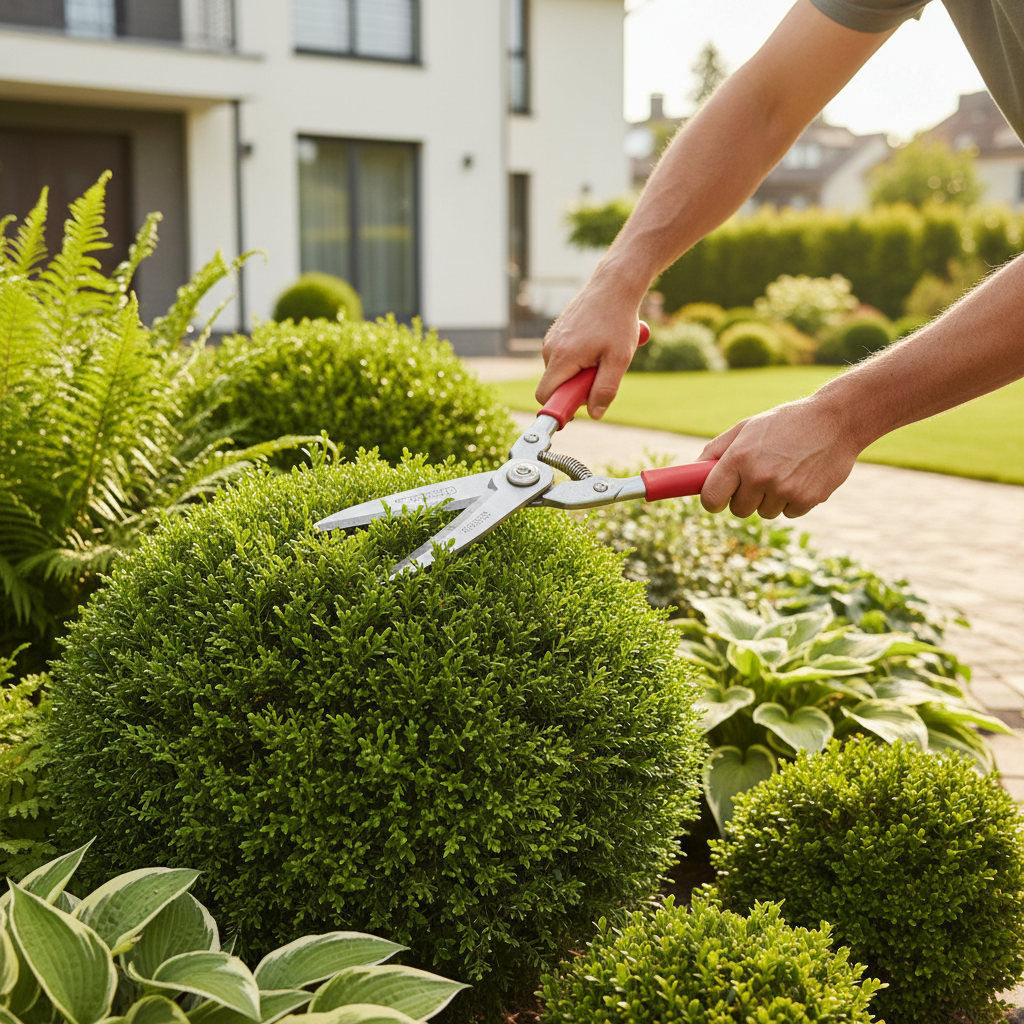
While irrigation systems are tucked away for the season, the physical structure of your garden beds requires a different kind of attention. Effective fall lawn care Utah high desert residents perform involves a selective approach to pruning and planting. After the first hard frost, remove spent annuals and cut back hostas to the ground. These soft-stemmed plants collapse into a wet mulch that can harbor pests and disease if left through the winter. However, you should leave ornamental grasses, such as Feather Reed grass, and seed-bearing perennials like Coneflowers or Black-eyed Susans standing. These provide structural interest during our grey winter months and serve as a vital food source for local birds.
Mid to late October is the prime window for planting spring-flowering bulbs in Carbon County. To ensure a vibrant spring display, focus on varieties that handle our alkaline soils and temperature swings well:
Daffodils: Highly recommended for properties near the foothills because they are naturally deer-resistant.
Tulips: Best planted in well-drained areas to prevent bulb rot during the spring thaw.
Crocus: Ideal for rock gardens or the edges of walkways where they can emerge early.
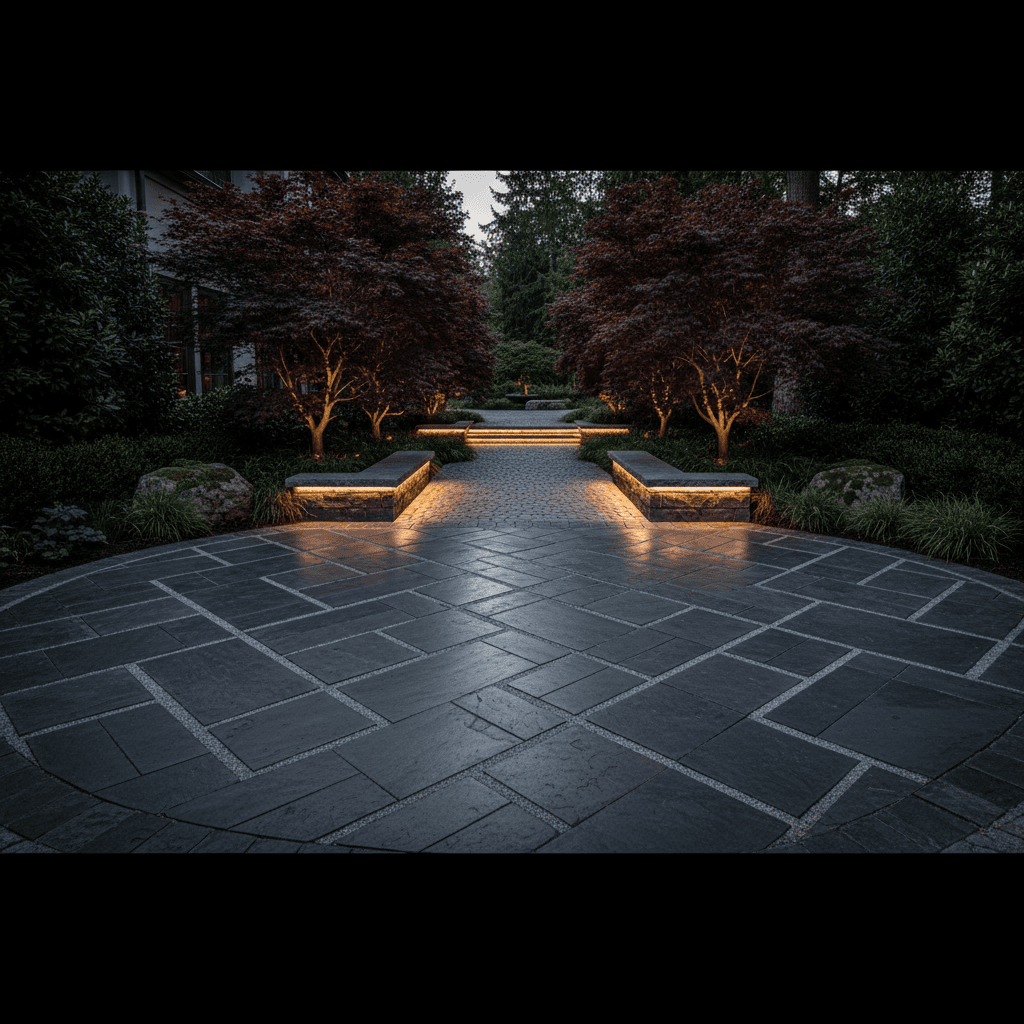
This season also offers a strategic window for landscape improvements before the ground freezes solid. Fall is an excellent time for lawn conversion projects, such as replacing struggling turf with drought-tolerant xeriscaping or installing hardscape elements like fire pits and paver walkways. You can contact Keith Landscaping to evaluate your site for these upgrades. Utilizing our reliable residential and commercial landscaping services during the autumn months ensures that heavy installation work is completed while the soil is still workable, allowing your new landscape to be ready for enjoyment the moment spring arrives.
Protecting the Landscape with Mulch and Leaf Cleanup
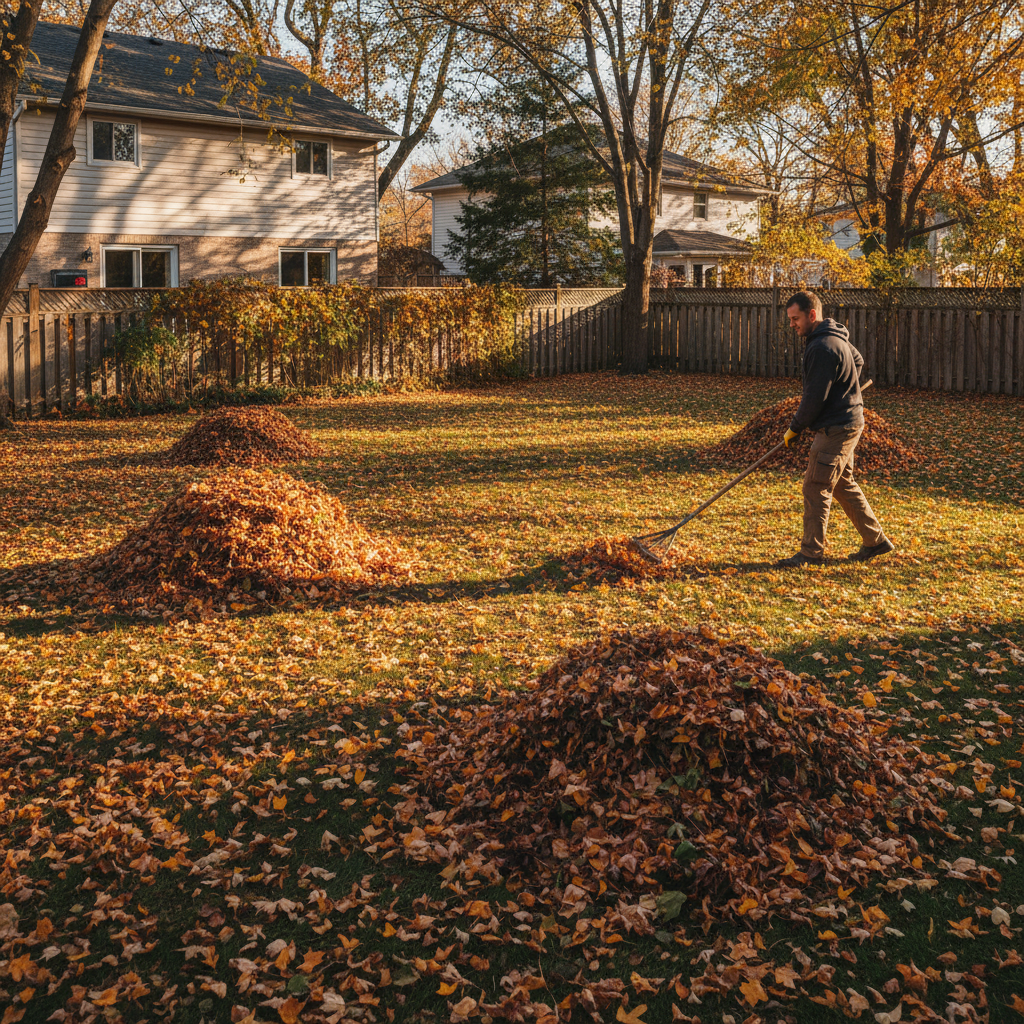
Managing fallen leaves is a functional necessity for fall lawn care Utah high desert residents must prioritize. When leaves are left to accumulate on turf, they create a dense, wet mat that blocks sunlight and traps moisture, effectively suffocating the grass and inviting fungal diseases. While the lawn should be kept clear, your garden beds require a different strategy.
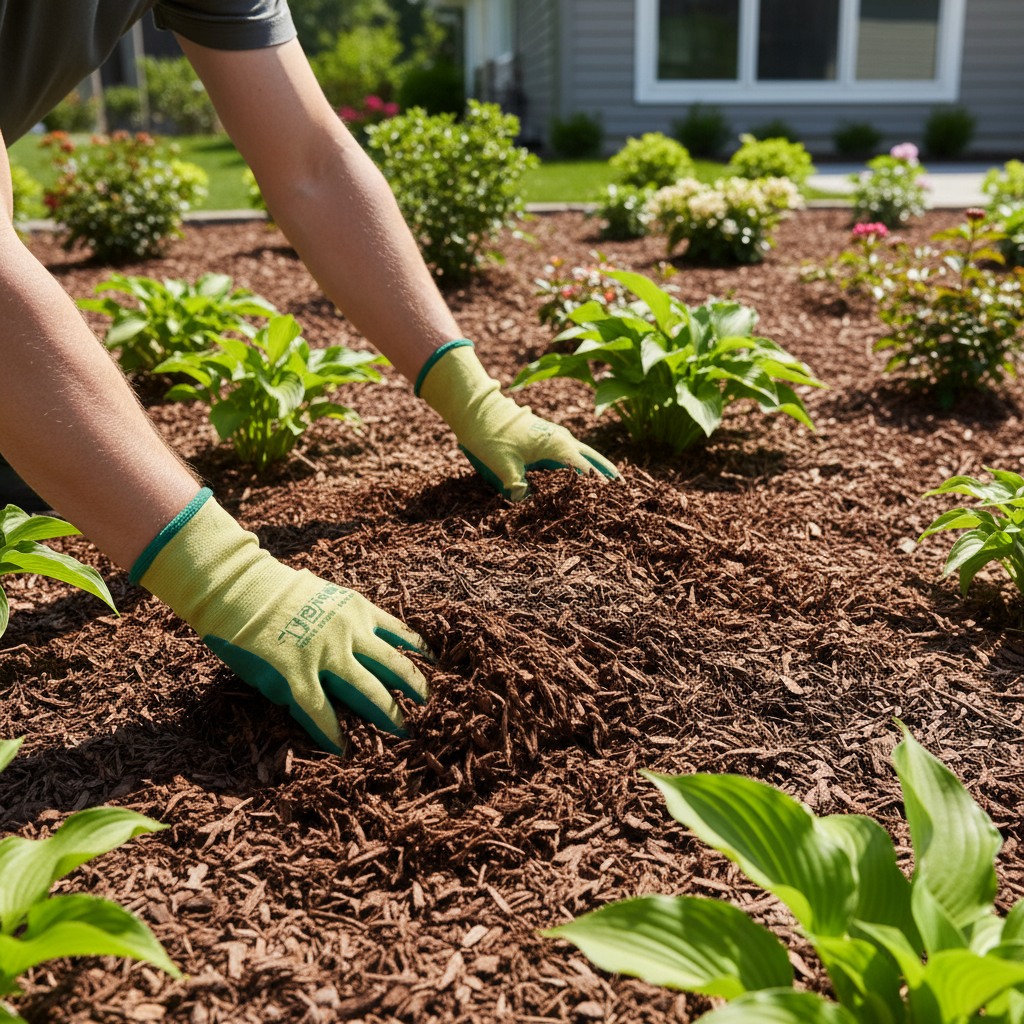
Differentiating between clean lawns and protected beds is key to winter survival. In Carbon County, the ground undergoes aggressive freeze-thaw cycles that can heave plants out of the soil. Applying a fresh 2 to 3 inch layer of dark organic mulch around the base of roses and young trees provides the necessary thermal insulation to stabilize soil temperatures. This layer acts as a buffer against the biting winds and low humidity common in Price and Helper.
Mulch also serves as a critical moisture barrier. Our winters are notoriously dry; without a protective layer, soil moisture evaporates quickly. A thick application of mulch ensures that the water your plants receive during late-fall soakings stays in the root zone. If you need assistance preparing your beds or hauling away seasonal debris, contact Keith Landscaping to schedule reliable residential and commercial landscaping services. Our team understands the specific requirements of the local climate, ensuring your property is shielded against the elements. You can learn more about our professional team and our commitment to maintaining functional outdoor spaces throughout the year.