The Utah Landscape Incentive Program Carbon County provides residents with up to $3 per square foot to replace traditional grass with water-wise xeriscaping and drought-resistant plants. Homeowners qualify for this financial payout by applying through the statewide portal and adhering to specific conservation standards; these requirements include using mulch and approved native vegetation. This program offers a direct way to lower utility costs while receiving cash for eco-friendly backyard conversions.
Maintaining a lush, green lawn in Carbon County often feels like a losing battle against rising water rates and our demanding high desert climate. Many homeowners find themselves pouring money into irrigation just to keep their turf from turning brown by mid July. The Utah Landscape Incentive Program offers a strategic solution to this financial and environmental strain by paying you to modernize your outdoor space. At Keith Landscaping, we believe that water-wise design should be both functional and profitable for the property owner. This guide breaks down exactly how to secure the three dollar per square foot rebate available to local residents. You will learn the essential rules for qualification; the best drought resistant plants for our specific soil; and the step by step process to ensure your application is approved before you ever pick up a shovel.
Understanding the Utah Landscape Incentive Program in Carbon County
Residents in Carbon County know that our high desert environment is beautiful but demanding. Maintaining a lush, green lawn in Price or Helper requires an immense amount of water, often more than our local climate can naturally sustain. This is where the Utah Landscape Incentive Program Carbon County becomes a valuable resource for property owners. As part of the broader Utah Water Savers initiative, this program aims to build long term drought resilience across the state by rewarding those who transition to sustainable outdoor spaces.
The program provides a significant financial incentive of up to $3 per square foot for replacing thirsty turf with water wise landscaping. For a typical residential lot, this rebate can offset a large portion of the costs for materials like decorative rock, mulch, and drought tolerant plantings. It is designed to help homeowners, businesses, and property managers move away from high maintenance grass that struggles in our summer heat.
While the program is a statewide initiative, participation is not automatic. Eligibility depends on whether your specific municipality has adopted qualifying water efficient landscape ordinances. In Carbon County, this means residents in cities like Price, Helper, or Wellington need to verify their local status before beginning a project. These ordinances ensure that every conversion follows best practices for conservation. Our professional landscaping team has seen firsthand how these changes benefit the local ecosystem. By reducing the demand on culinary water for irrigation, we protect our regional water supply while creating functional landscapes that actually thrive in our alkaline soil and fluctuating temperatures.
The Most Important Rule: Do Not Kill Your Grass Yet
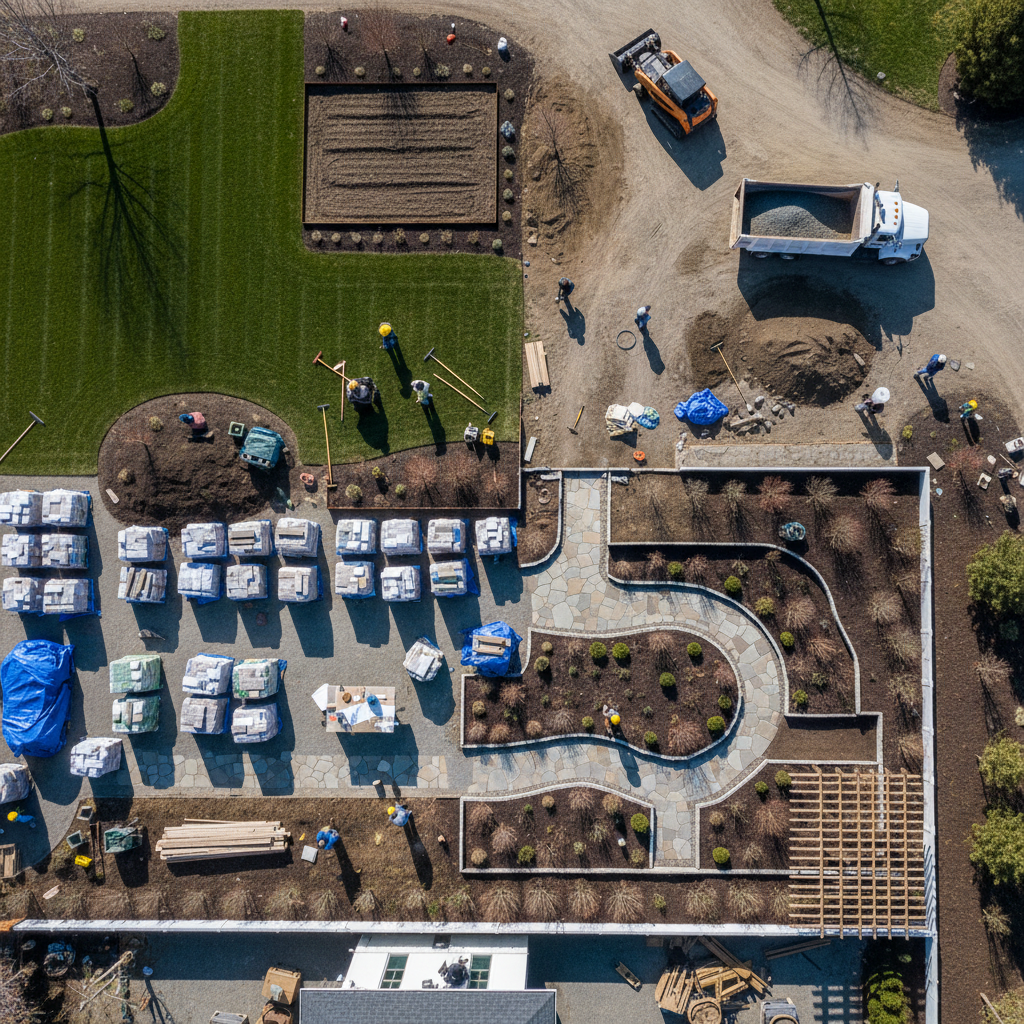
Property owners often feel an urge to start the demolition phase immediately after deciding to convert their yards. However, taking a shovel to your lawn prematurely is the most common reason for disqualification from the Utah Landscape Incentive Program Carbon County. The program operates on a strict pre-conversion verification process. This means your grass must be alive, green, and actively maintained during the initial inspection.
If you kill the turf with herbicide or remove the sod before a program representative conducts a site visit, you forfeit the entire rebate. The state requires this proof to ensure they are funding the removal of functional, water-consuming grass rather than dirt patches or weeds. Beyond the physical inspection, you must provide clear before photos that show the lawn in its current state. These photos should capture the entire project area, including landmarks like the house or driveway, to help inspectors verify the square footage accurately.
Maintain your regular watering and mowing schedule until you receive a formal Notice to Proceed via email. Only after this official approval can you begin the work or contact a team for dependable residential landscaping services to execute your plan. Patience during this administrative phase protects your investment and ensures you receive the maximum financial credit for your property improvements.
How to Qualify for the $3 Per Square Foot Rebate
Securing the maximum rebate through the Utah Landscape Incentive Program Carbon County requires more than just submitting a form. You must meet specific regional and design criteria to ensure your project qualifies for the $3 per square foot payout. First, verify that your property is located within a city that has adopted the necessary water efficient ordinances. Because local participation is dynamic, checking with your specific city office in Price, Helper, or Wellington is a necessary first step.
The project area itself must meet minimum size requirements. Generally, the program requires the conversion of at least 200 square feet of maintained lawn. If your entire lawn area is smaller than 200 square feet, the state requires you to convert the entire space to be eligible. This ensures the change results in a meaningful reduction in local water demand.
Design plays a central role in the approval process. The program follows "Localscapes" principles, which advocate for a structured approach involving central open areas, gathering spaces, and designated planting beds. A critical component of this design is the 70/30 rule. This rule mandates that at least 30% of the converted area must be covered by plant canopy once the plants reach maturity. This requirement is intended to prevent "zeroscaping," a common mistake where property owners cover their entire yard in decorative rock without any vegetation. Rocks absorb and radiate heat, which can increase local temperatures; the state wants living, breathing landscapes that use significantly less water than turf.
In Carbon County, meeting this 30% threshold requires careful planning due to our high elevation and often alkaline soil. You cannot simply pick any plant and expect it to thrive or provide the necessary coverage to pass a final inspection. If you need assistance determining which species will survive our winters while meeting the state's coverage requirements, you can contact Keith Landscaping for expert guidance. Proper plant spacing and selection ensure your project remains functional, beautiful, and fully eligible for the rebate.
Designing for the High Desert: Best Water-Wise Plants for Carbon County
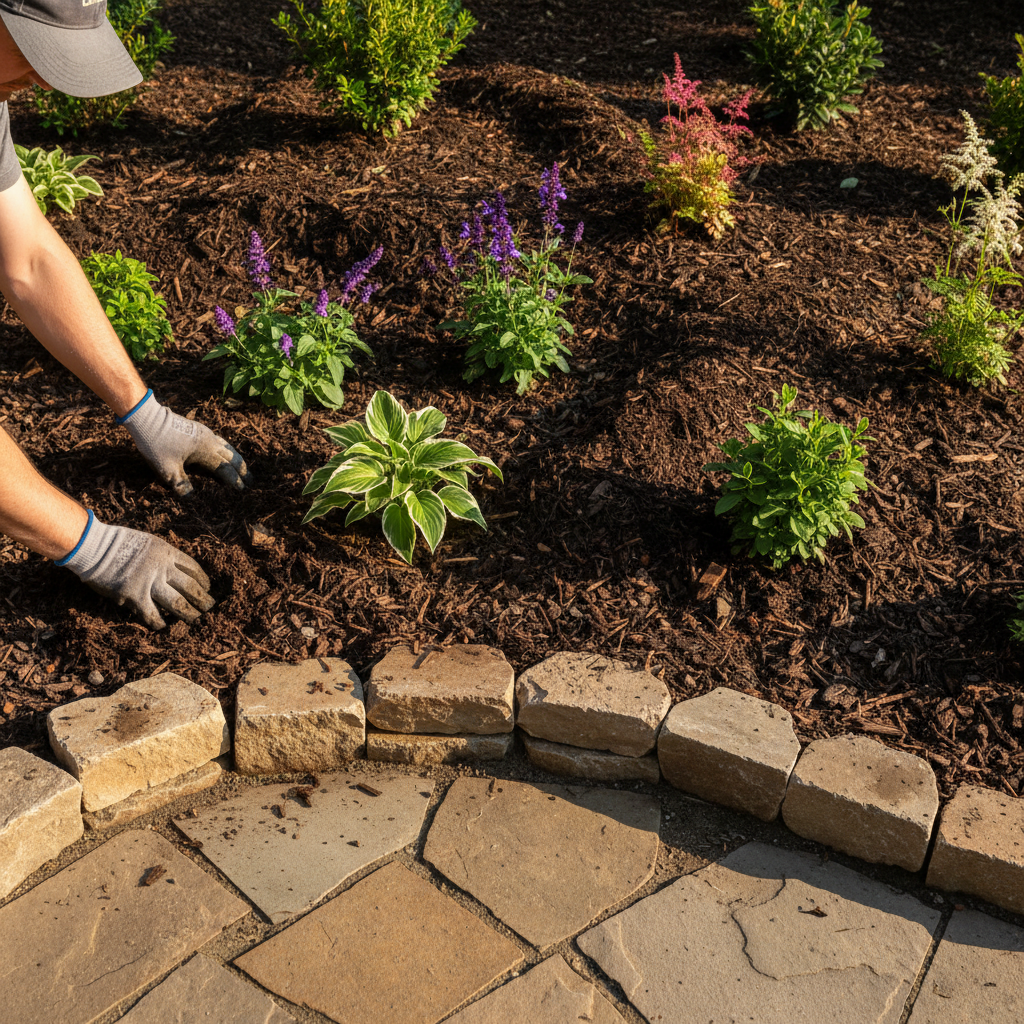
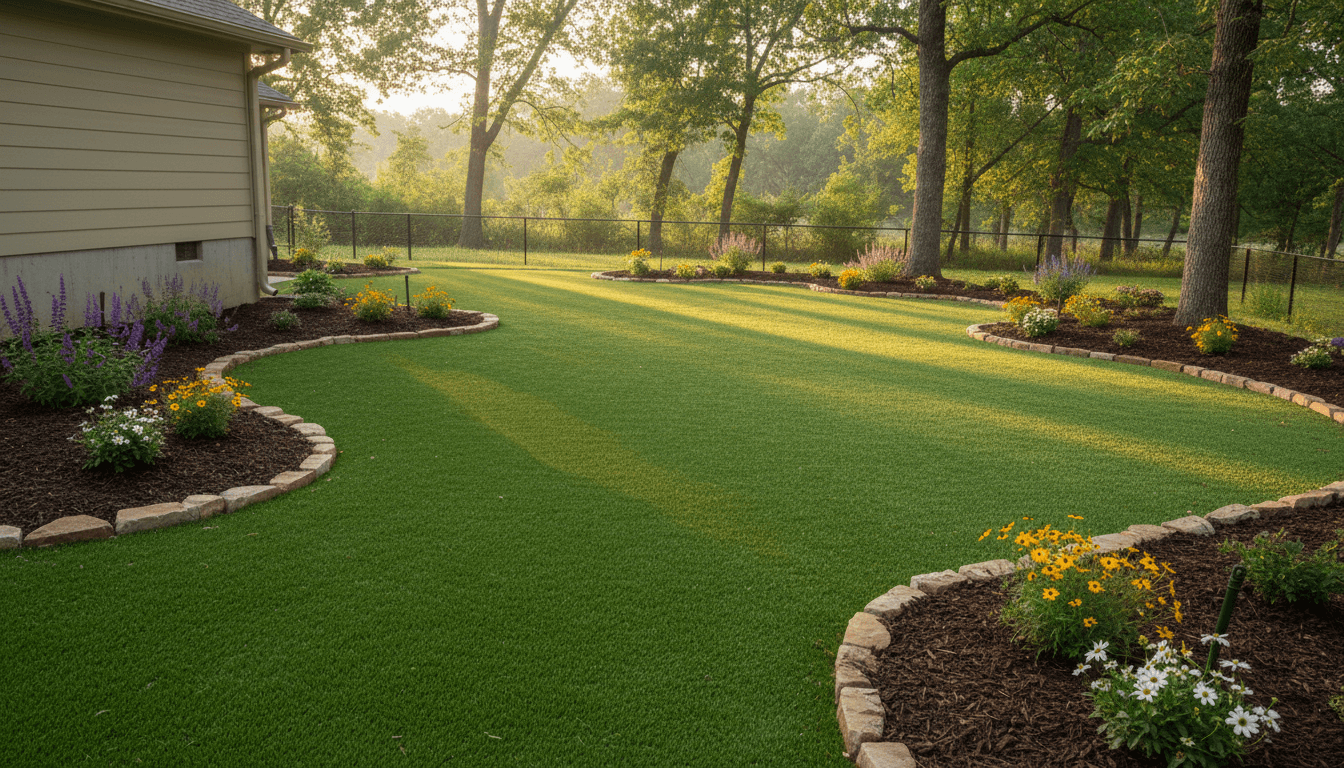
Selecting the right species is about more than aesthetics; it is a requirement for a successful application through the Utah Landscape Incentive Program Carbon County. There is a common misconception that water-wise yards must be "zeroscaped," or covered entirely in rocks. In reality, the state promotes "xeriscaping," which uses drought-tolerant plants to create a living, breathing environment. A yard full of only gravel can radiate heat and fail to meet the 30 percent vegetation requirement, whereas a thoughtful xeriscape adds curb appeal and value.
In Carbon County, where we deal with Hardiness Zones 5 and 6, plants must be tough enough to handle alkaline soil and extreme temperature fluctuations. For structural shrubs, native winners like Sagebrush and Rabbitbrush are ideal because they require almost no supplemental water once established. Fernbush is another high desert favorite that offers textured leaves and white flowers, providing excellent coverage to help you hit that 30 percent threshold.
When it comes to perennials, Penstemon and Blanket Flower (Gaillardia) are dependable choices that thrive in our local elevation. Russian Sage is also highly recommended for its ability to add height and color without demanding much moisture. These species are far better suited for our climate than the standard nursery stock often found in big box stores, which frequently struggle with the dry air and salt content in our soil. If you need a design that balances these requirements with a clean, professional look, our professional landscaping team can assist in creating a plan that qualifies for the rebate while enhancing your property’s functionality.
Step by Step Application Guide for Carbon County Residents
The application process for the Utah Landscape Incentive Program Carbon County is designed to be systematic, ensuring every gallon of water saved is properly accounted for. To secure your funding, follow this sequence exactly to avoid common pitfalls that lead to disqualification.
Register Your Property: Create an account at UtahWaterSavers.com and upload a copy of your most recent water bill. This step verifies that your property is served by a participating water district.
Document the Existing Lawn: Take clear, high resolution 'before' photos of the living lawn. The program requires visual proof that you are replacing maintained turf; photos of dirt, weeds, or dormant brown grass will result in an immediate rejection.
Develop a 2D Landscape Plan: Draw a simple bird’s eye view of your project area. This sketch must show the placement of new plants, mulch, and any hardscape elements. It must clearly demonstrate that you will meet the 30 percent plant coverage requirement at maturity.
Submit for Pre-Approval: Upload your plan and photos through the portal. You must wait for a formal Notice to Proceed or a site visit from a program representative before any demolition begins.
Complete the Installation: Once approved, you typically have nine months to finish the project. This is the stage where you can utilize dependable residential landscaping services to ensure the work is done to professional standards.
Schedule a Final Inspection: After the work is finished, notify the program for a final review. An inspector will verify the square footage and plant counts before processing your rebate.
Before you start your design, check with the Price River Water Improvement District or your local municipality in Price, Helper, or Wellington. Local landscape ordinances often have specific rules regarding parkway strips or irrigation equipment that must be integrated into your project. If you find the design or documentation process complex, you can contact Keith Landscaping to help align your project with both state requirements and local standards.
Cost vs Savings: Is Lawn Replacement Worth It?
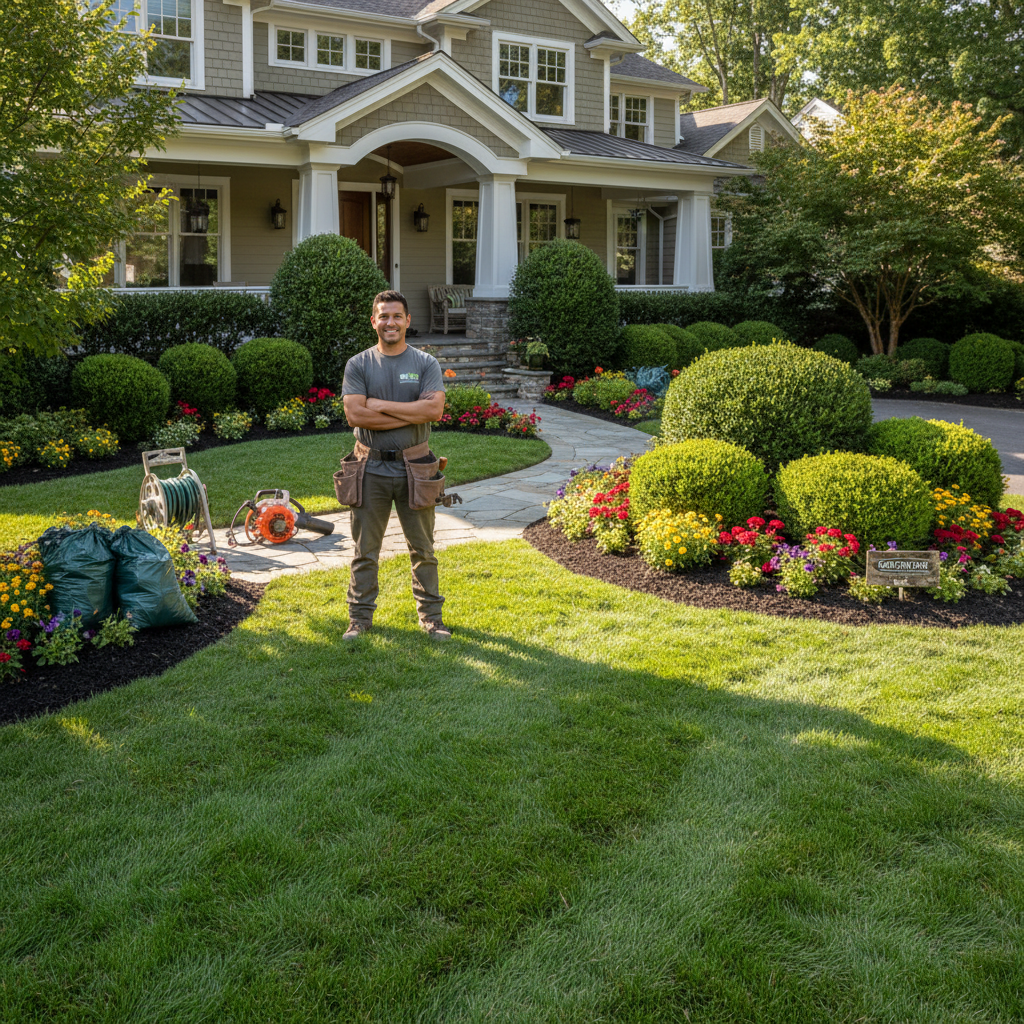
Homeowners often worry about the initial price tag of a landscape overhaul. While professional xeriscaping typically ranges from $3,500 to $10,000 for an average yard, the Utah Landscape Incentive Program Carbon County serves as a major financial offset. By receiving $3 per square foot, a property owner converting 2,000 square feet of grass can secure $6,000 in rebates. This effectively covers a large portion of the labor and material costs required to build a cleaner, more functional space.
The financial benefits extend far beyond the initial rebate check. In Carbon County, summer irrigation is one of the highest seasonal expenses for residents and businesses. By transitioning to native shrubs and drip irrigation, you can see a return on your investment in just 5 to 7 years through reduced water bills alone. This calculation does not even account for the immediate increase in property value or the hundreds of hours saved on mowing and fertilizing each year. Our professional landscaping team focuses on installing systems that require minimal upkeep, allowing you to reclaim your weekends and reduce long term costs.
When you contact Keith Landscaping to manage your conversion, you are investing in a landscape built to last. We provide dependable residential landscaping services that ensure your new yard remains clean and professional from day one. Choosing to participate in this incentive program is not just about environmental stewardship; it is a pragmatic financial decision that protects your property from rising water rates while enhancing its long term curb appeal.
Transforming your Carbon County lawn into a water-wise oasis is a practical way to conserve resources while putting money back in your pocket. These local incentives make it easier than ever to prioritize sustainability. However, designing a functional landscape that meets all program requirements can be a challenge. If you want expert help navigating the rebate process or executing your vision, our team is here to guide you. You can learn more about our commitment to beautiful, drought-tolerant designs as you plan your next project.