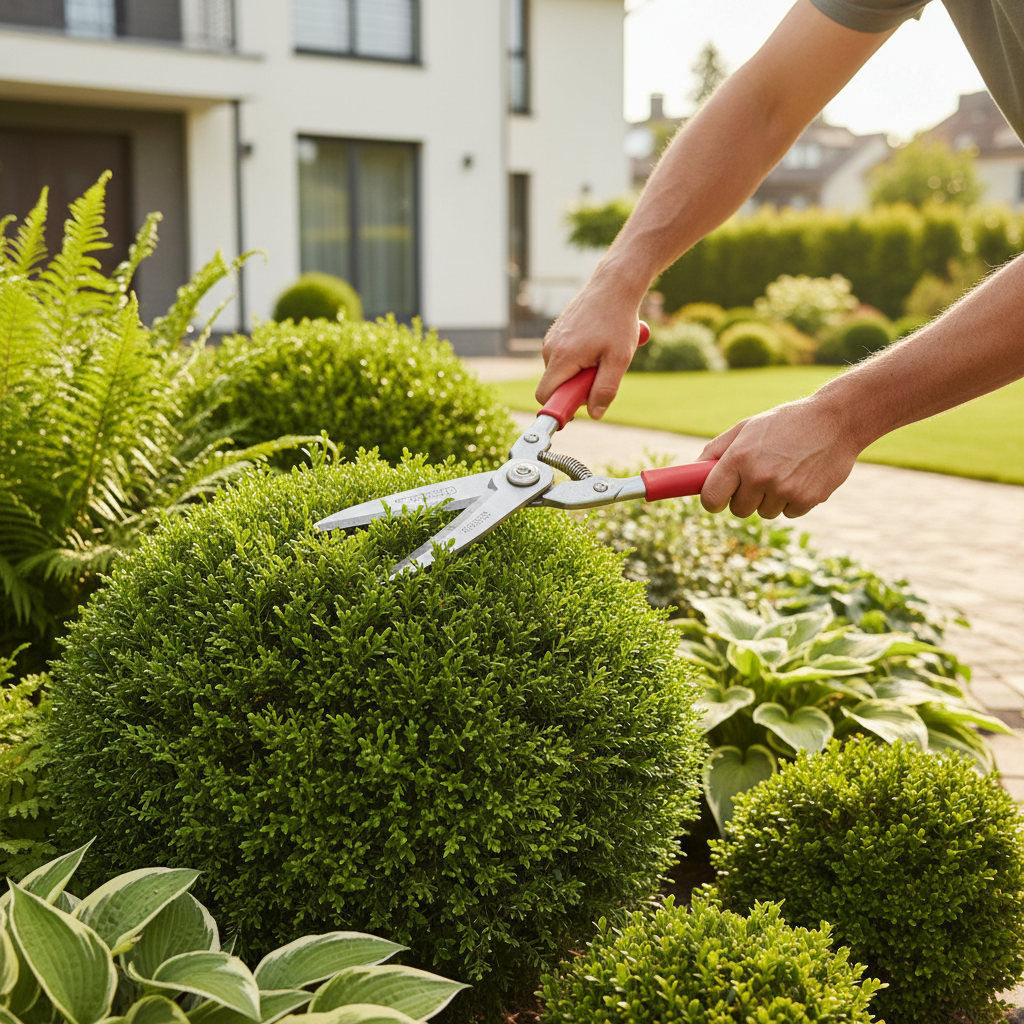
The ideal time for when to prune trees and shrubs in Utah is during the dormant season, specifically late winter or early spring before new buds begin to swell. This timing ensures plants have high energy reserves and prevents the risk of winter damage; however, gardeners should avoid pruning in the fall when foliage is coloring.
Many Utah homeowners feel a surge of productivity when the leaves begin to turn, yet rushing into pruning during the autumn months can often do more harm than good for your landscape. In the unique high desert climate of Carbon County, improper timing can leave your trees vulnerable to winter desiccation and permanent structural damage. At Keith Landscaping, we understand that a successful prune is about more than just a sharp pair of shears; it requires a deep understanding of plant physiology and the local climate. This guide will clarify the critical differences between fall and late winter maintenance, explaining why waiting for dormancy is often the safest path. You will also learn the essential Five Ds of pruning, specific timing for flowering varieties, and the technical 1, 2, 3 rule to ensure your trees remain healthy and resilient throughout the harshest Utah winters.
Understanding the Utah Dormancy Window: The Best Time to Prune
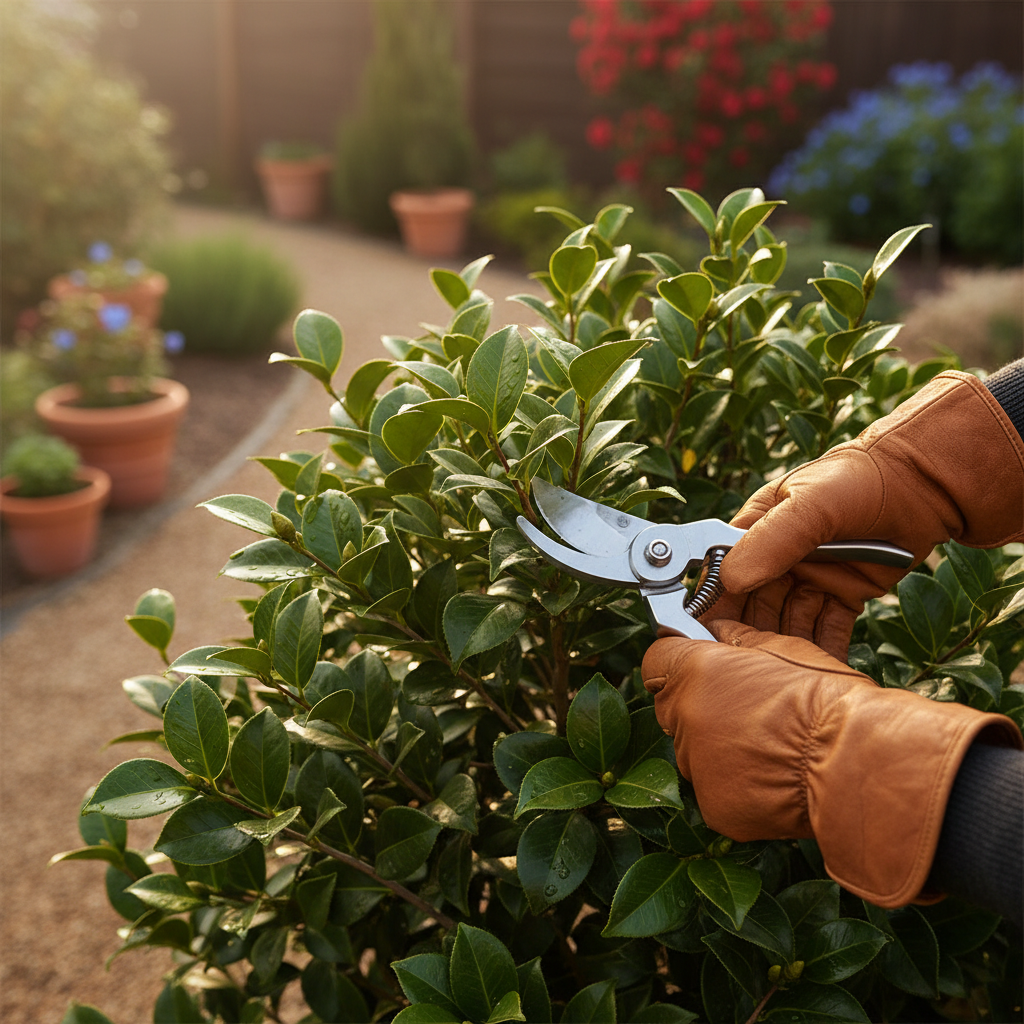
Determining when to prune trees and shrubs in Utah requires an understanding of the state’s unique dormancy window. For most woody plants in Carbon County, the primary pruning season occurs from late winter to early spring, typically between February and early April. This timing is rooted in plant biology. During these months, deciduous trees and shrubs are in a state of deep dormancy. Their energy reserves are stored safely in the root systems, rather than in active foliage or branch tips.
When cuts are made just before the spring thaw, the plant is primed to respond. As temperatures rise and sap begins to flow, the tree can quickly seal off the pruning wounds with new growth, minimizing the risk of infection or pest infestation. At Keith Landscaping, our approach to dependable residential and commercial landscaping services takes this a step further by accounting for the specific microclimates of the Price and Helper areas.
Unlike the Wasatch Front, Carbon County often experiences erratic late-season frosts that can damage freshly exposed tissue. We balance the need for dormant pruning with the reality of our high desert weather. Pruning too early in the dead of winter can leave wounds exposed to extreme desiccation, while waiting until the buds have already burst wastes the plant’s stored energy. By targeting the window when the worst of the sub zero temperatures have passed but the buds are still tight, we ensure your landscape remains healthy, clean, and structurally sound for the growing season ahead.
Why Fall Pruning Can Harm Carbon County Landscapes
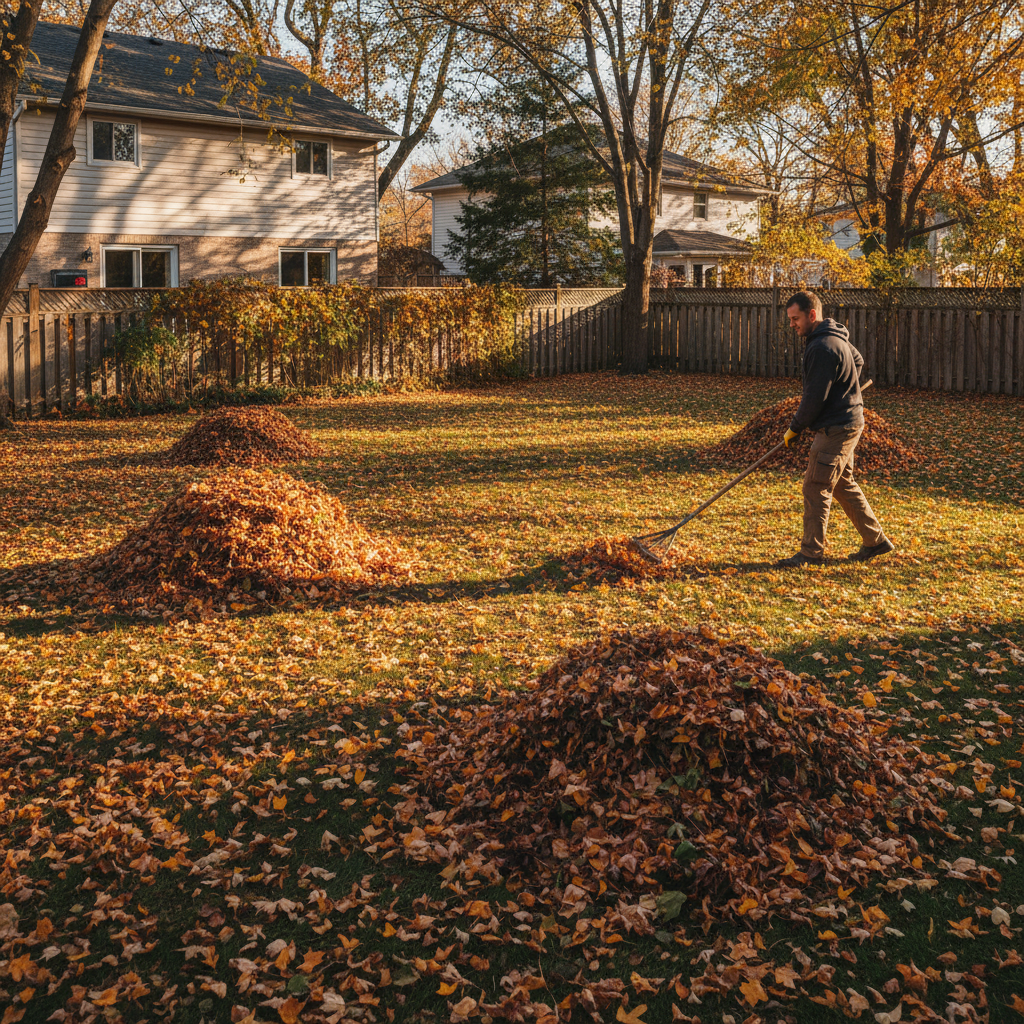
Many property owners assume that as they rake leaves and clear flower beds, they should also aggressively cut back their shrubs. However, if you are wondering when you should not trim bushes in the fall, the answer is almost always during the months of September and October. In Price and Helper, the weather can shift from a mild autumn afternoon to a hard freeze in a matter of days. Pruning during this period sends a confusing signal to the plant. Instead of entering dormancy, the plant redirects energy to produce new, tender growth at the site of the cuts. This new growth does not have enough time to harden off or develop a protective woody exterior before the temperatures drop, leading to significant dieback and structural weakness.
Beyond the risk of frost damage to new shoots, fall pruning leaves plants vulnerable to the harsh elements of Eastern Utah. When we provide dependable residential and commercial landscaping services, we emphasize that a fresh cut is essentially an open wound. During the late winter, a plant is ready to seal these wounds as soon as spring arrives. In the fall, however, the plant’s metabolic processes are slowing down. These wounds remain open throughout the winter, providing an easy entry point for diseases and wood-boring pests. Furthermore, the extremely low humidity in Carbon County during the winter months can lead to desiccation, where moisture is sucked out of the exposed branch ends, causing the wood to crack and die back further than intended.
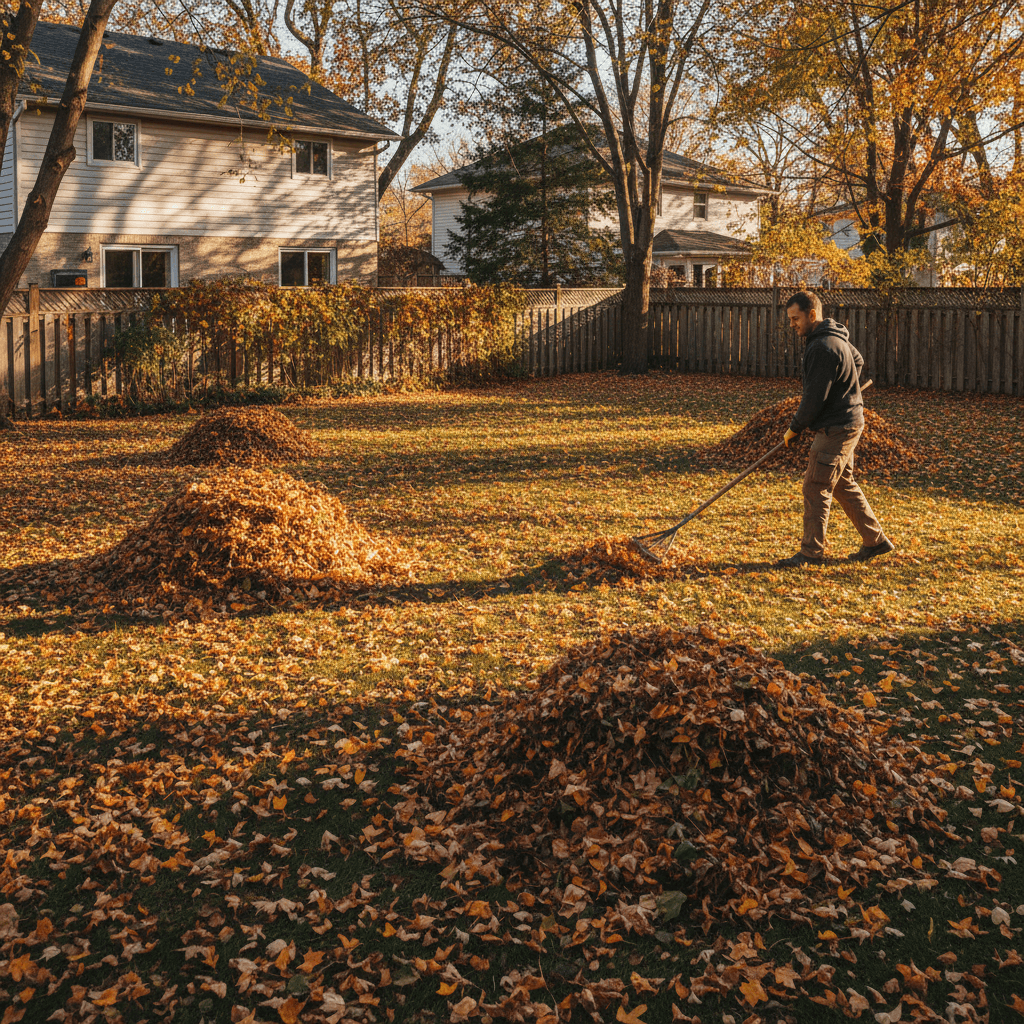
It is a common misconception that a thorough fall cleanup must include heavy structural pruning. While it is productive to remove fallen leaves, clear debris, and cut back spent perennials, woody trees and shrubs should generally be left alone until the dormancy window. Resisting the urge to tidy up with shears in October preserves the plant’s energy and provides a natural buffer against the wind and snow. If you are unsure if a specific plant in your yard requires immediate attention, you can always contact Keith Landscaping for a professional assessment to ensure your landscape survives the winter intact. While most pruning should wait, there are specific exceptions where waiting could actually cause more harm, which involves identifying the health of the individual branch.
The Five Ds of Pruning: When to Cut Regardless of the Season
While the general rule for when to prune trees and shrubs in Utah emphasizes waiting for dormancy, certain conditions require immediate action to prevent injury or property damage. We follow the industry standard Five Ds to identify branches that must be removed regardless of the calendar month. These categories ensure that the plant's long term health is prioritized and that your property remains safe for visitors and employees.
The Five Ds | Description and Impact |
|---|---|
Dead | Lifeless wood that attracts wood-boring pests and fungi. |
Damaged | Limbs split by wind or heavy snow that risk falling. |
Diseased | Wood showing signs of canker or blight that could spread. |
Deranged | Branches growing inward or crossing and rubbing bark raw. |
Displaced | Limbs obstructing walkways, signs, or utility lines. |
For clients receiving dependable residential and commercial landscaping services, safety is the primary driver for off-season pruning. A displaced or damaged branch hanging over a commercial walkway in Helper or Price is a significant liability. Removing these hazards immediately is far more important than waiting for the dormant window. If you notice a limb that appears unstable after a canyon windstorm, you should contact Keith Landscaping for a professional assessment. Addressing these specific issues early prevents structural failure and maintains the clean, professional appearance of your business throughout the year.
Timing for Specific Varieties: Flowering Shrubs and Evergreens
Timing depends heavily on when a shrub produces its blossoms. Spring-flowering shrubs, such as Lilacs and Forsythia, develop their flower buds during the previous summer and fall. If you prune these varieties during the dormant winter window, you will inadvertently remove the upcoming season's flowers. To preserve the color of your landscape, these should be pruned immediately after the blossoms fade. This allows the plant to spend the rest of the summer growing new wood and setting buds for the following year.
Summer-flowering shrubs follow a different biological clock. Species that bloom later in the season usually produce flowers on "new wood" grown during the current spring. These plants are ideal candidates for the standard late-winter pruning schedule. For desert-adapted ornamental shrubs common in Price and Helper, this routine maintenance encourages vigorous new growth and a more prolific bloom.
Evergreens and high-desert native plants like Sagebrush require a specialized approach. In the Carbon County climate, the interior wood of an evergreen is sensitive to our intense sun and low humidity. We recommend pruning evergreens in the early spring, just before the new growth begins. This timing ensures that any exposed inner branches are quickly covered by fresh needles; this minimizes the risk of sunscald or desiccation from our dry canyon winds. For property owners managing complex landscapes with varied species, contact Keith Landscaping to develop a customized maintenance plan. Our dependable residential and commercial landscaping services ensure each variety is handled with the specific technical care it requires to thrive in our unique environment. Knowing when to prune trees and shrubs in Utah requires this level of species-specific knowledge to avoid damaging the plant's natural reproductive cycle.
Essential Techniques: The 1/2/3 Rule and Protecting the Branch Collar
Understanding when to prune trees and shrubs in Utah is only half the battle; the technical execution of the cut determines if the plant heals correctly or begins a slow decline. For larger limbs, our team utilizes the 1, 2, 3 rule to prevent bark stripping. This occurs when the weight of a falling branch peels a long strip of bark down the trunk, creating a massive wound that the tree may never fully recover from.
The Undercut: Make a cut on the underside of the limb about twelve inches from the trunk, cutting approximately one third of the way through the wood.
The Removal Cut: Make a second cut from the top, an inch or two further out than the first. This allows the limb to drop cleanly as the two cuts meet, leaving a short stub.
The Finishing Cut: Carefully remove the remaining stub just outside the branch collar.
The branch collar is the swollen ring of tissue where the branch meets the main stem. This area contains specialized cells necessary for compartmentalization, which is the process by which a tree seals off a wound. A common mistake in amateur maintenance is the flush cut, where the branch is removed flat against the trunk. Removing the collar destroys the tree's ability to heal, leaving the heartwood exposed to moisture and rot. By providing dependable residential and commercial landscaping services, we ensure that every cut is placed exactly where the tree's natural biology can take over the healing process.
Technical precision also extends to tool maintenance. We use sharp, high quality shears and saws that are regularly sanitized with alcohol or a mild bleach solution. In the dry, high desert climate of Carbon County, pathogens can easily move between plants on dull or dirty blades. Clean cuts from sharp tools minimize tissue trauma, allowing for faster recovery once the spring growth begins.
High Desert Considerations: Preparing Carbon County Trees for Winter
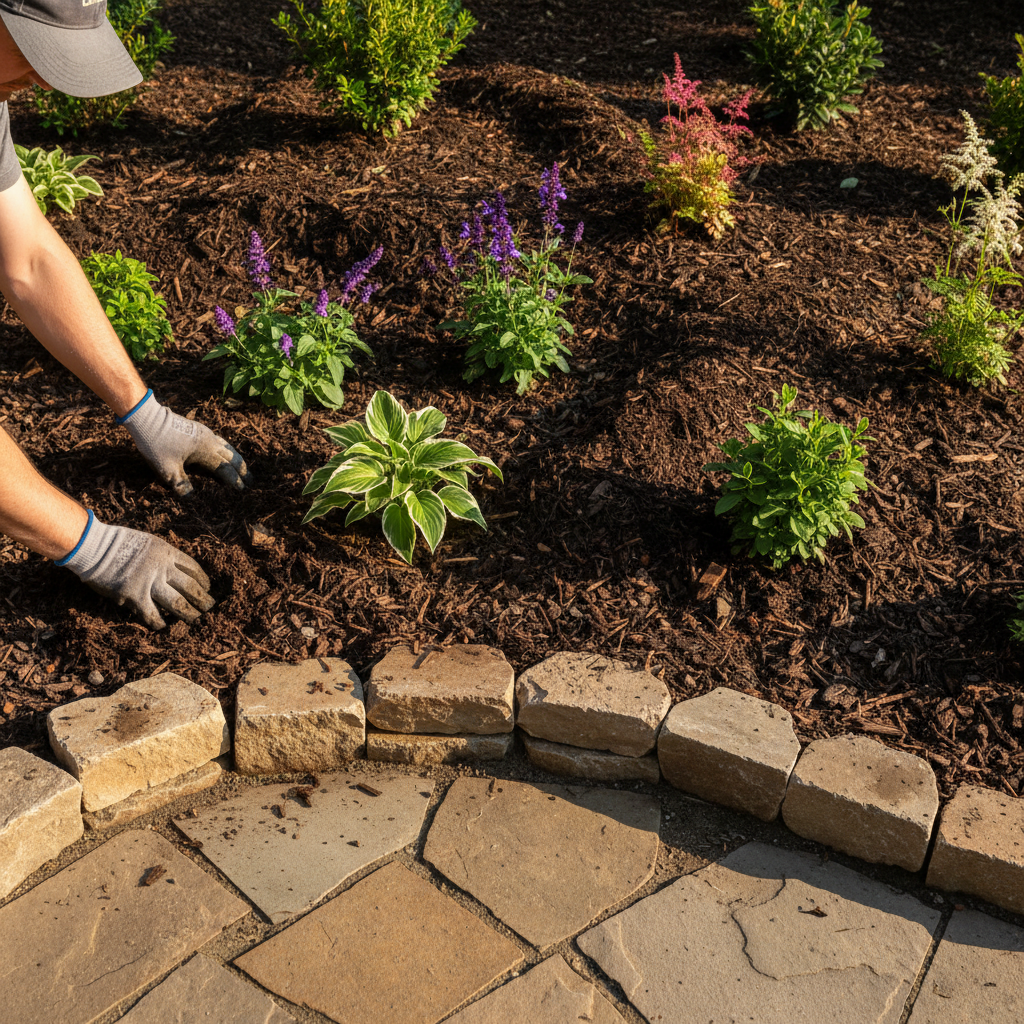
High desert landscapes in Carbon County face environmental pressures that differ significantly from more humid regions. The extremely low atmospheric humidity in Price and Helper speeds up the evaporation of moisture from pruning wounds. Because the air is so dry, a plant that has been pruned needs extra support to maintain its internal hydration through the winter months. This lack of moisture can cause wood to crack near a fresh cut, potentially leading to deeper tissue damage if the plant is not properly supported.
A critical companion to your pruning schedule is the application of a thick layer of organic mulch. While we provide dependable residential and commercial landscaping services, we often emphasize that pruning and mulching go hand in hand. A three to four inch layer of wood chips or bark protects the root zone from the intense freeze-thaw cycles common in Eastern Utah. This insulation keeps soil temperatures stable, ensuring the tree's energy remains focused on root health rather than surviving drastic temperature swings.
For property owners determining when to prune trees and shrubs in Utah, late winter also presents the perfect opportunity for pest management. After making your structural cuts, applying dormant oils can effectively smother overwintering insects like scale, mites, and aphids before they emerge in the spring. This proactive step is particularly important for fruit trees and ornamental shrubs in our region, where pest pressure can be high. If you need assistance identifying pests or require a seasonal maintenance plan, you can contact Keith Landscaping to ensure your trees are fully protected before the growing season begins.
Timing your pruning correctly ensures your Carbon County landscape thrives through every season. Whether you focus on late winter rejuvenation or minor fall shaping, understanding the specific needs of each plant is vital. If you want expert help managing these seasonal tasks, our team provides tailored advice and professional care. You can read more about our local history to see how we help Carbon County homeowners maintain healthy, beautiful outdoor spaces. Taking the right steps now guarantees a vibrant garden when spring arrives.