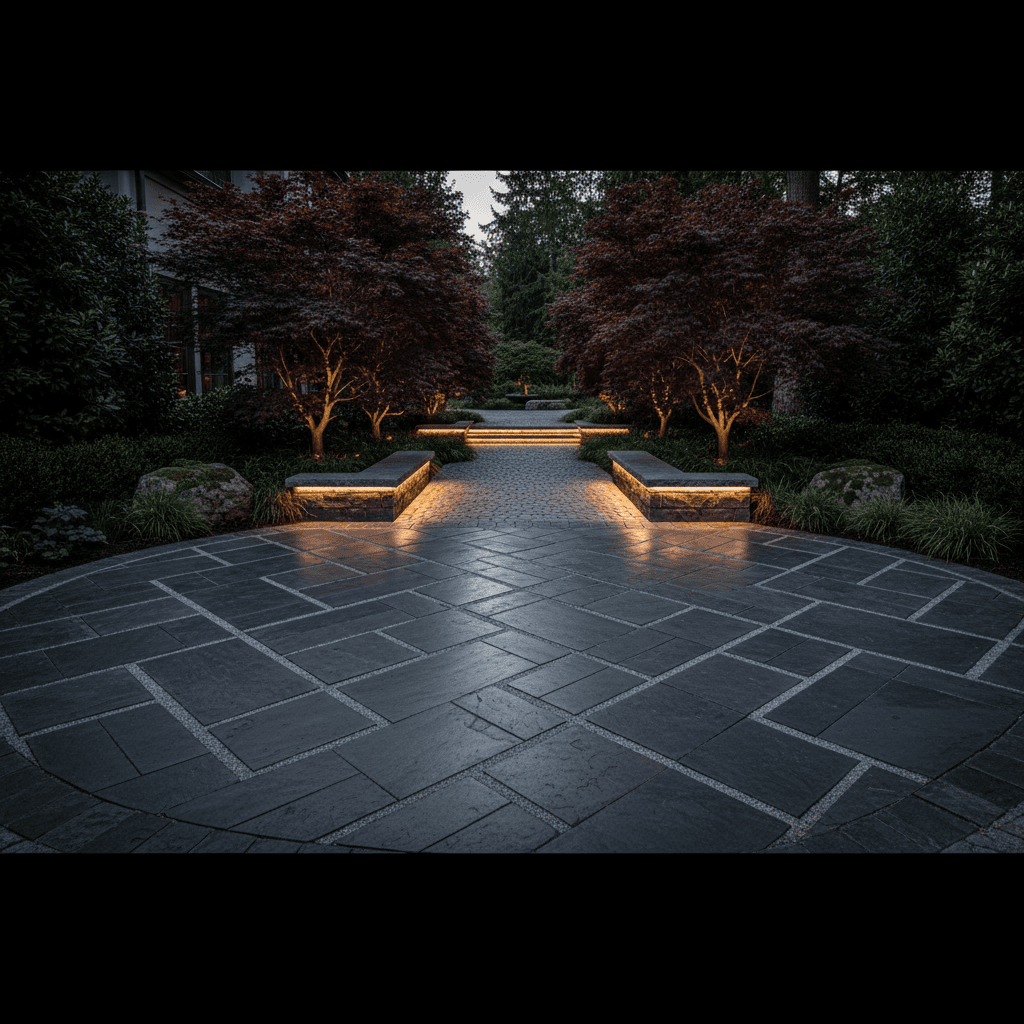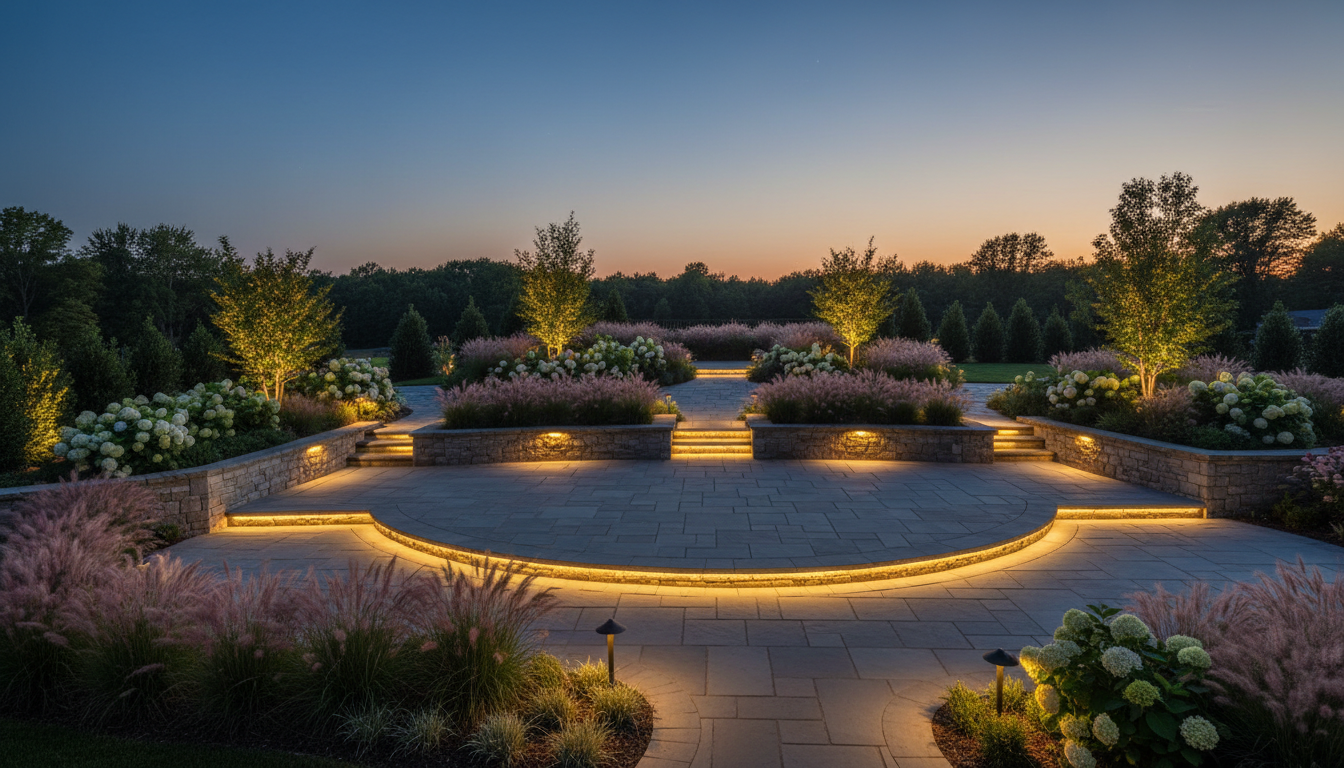
Effective hardscaping Utah high desert requires selecting durable materials like natural stone or concrete pavers that can withstand intense UV exposure and extreme temperature fluctuations. Homeowners can manage steep terrain by integrating a retaining wall and patio on a slope, which provides necessary soil stabilization and expanded living space. Proper drainage systems and frost-resistant foundations are essential components for ensuring these structures remain stable throughout Carbon County's harsh winters and dry summers.
Carbon County landscapes present a unique set of challenges that can quickly dismantle a poorly planned hardscape. From the scorching summer sun to the relentless freeze thaw cycles of winter, the high desert environment demands more than just aesthetic appeal; it requires structural integrity. Homeowners often face the frustration of cracking stone or shifting walls that fail after only a few seasons. At Keith Landscaping, we understand that a lasting outdoor space begins with engineering designed for our specific climate. In this guide, we will explore the critical role of frost heave protection, the best materials for durable patios, and why meticulous site preparation is non negotiable. You will learn how to build retaining walls that hold firm against sloped terrain and how to select finishes that withstand intense UV exposure.
The High Desert Hardscaping Challenge in Carbon County
Hardscaping provides the essential structure and function for any outdoor space, turning rugged terrain into usable areas. In Carbon County, the high desert environment presents a set of obstacles that standard construction methods often fail to address. A successful project must withstand a climate defined by extreme fluctuations, where summer temperatures frequently exceed 100 degrees and winter nights drop well below zero.
When planning hardscaping Utah high desert homeowners must prioritize durability over mere aesthetics. The intense UV radiation at our elevation can degrade inferior materials, while the temperature swings force materials to expand and contract aggressively. The Keith Landscaping team brings specific local familiarity with the terrain in Price, Helper, and Wellington, where the combination of rocky soil and alkaline clay requires a more robust engineering approach than milder climates.
Providing professional residential and commercial landscaping services in this region means understanding that a patio or retaining wall is a long term investment. If the foundation cannot handle the pressure of the earth or the bite of the frost, the visual appeal is quickly lost. Every design choice must account for the local geography to ensure the structure remains stable, level, and functional for decades, not just a few seasons.
Understanding the Freeze Thaw Cycle and Frost Heave
The stability of any outdoor structure in Price or Wellington depends entirely on how it handles the transition from liquid water to ice. When water trapped in Carbon County's clay-heavy soil freezes, it expands by approximately 9 percent. This physical change generates immense upward pressure, a phenomenon known as frost heave, which is the primary enemy of hardscaping Utah high desert projects.
As the ground expands, it forces rigid structures to move. Because soil moisture levels are rarely uniform, one section of a patio might lift significantly while another remains stationary. This differential movement is what causes unreinforced concrete to snap and retaining walls to tilt. The Utah Residential Code addresses this risk by requiring footings for certain structures to be placed below the frost line. In our region, this typically necessitates a depth of at least 30 inches to ensure the foundation rests on stable, unfrozen ground that will not shift during a deep freeze.
Contrast a professional installation with a common DIY mistake: the lack of movement accommodation. A poorly built project often sits directly on native soil without adequate expansion joints or a thick, non-frost-susceptible base. The Keith Landscaping team utilizes specific sub-base materials and strategic joint placement to allow for minor soil shifts. By managing Yard Drainage Utah High Desert and using engineered base layers, we prevent the hydrostatic pressure that leads to catastrophic buckling, ensuring the hardscape remains level through the harshest winter cycles.
Retaining Wall Solutions for Sloped Carbon County Properties
Many Carbon County properties, particularly those in the foothills near Price or Helper, feature significant inclines that limit usable outdoor space. A retaining wall patio on a slope is often the only way to convert these steep areas into functional, level living zones. When managing these projects, the Keith Landscaping team differentiates between decorative garden walls, which rarely exceed two feet in height, and structural retaining walls designed to hold back thousands of pounds of earth.
Structural walls require precise engineering to manage Carbon County’s high-clay soils. Clay is notorious for retaining moisture and expanding, which creates immense hydrostatic pressure against the back of the wall. Without proper mitigation, this pressure will eventually cause the wall to lean, bow, or collapse. Professional residential and commercial landscaping services prioritize a multi-layered drainage system to protect the structure.
Component | Function in High-Clay Soil |
|---|---|
Drainage Stone | A column of clean, angular gravel behind the wall to allow water to drop quickly. |
Filter Fabric | Prevents fine clay particles from clogging the drainage gravel. |
Weep Holes | Carefully placed outlets that allow collected water to exit the wall face. |
By incorporating these features, we ensure that water moves through the system rather than building up behind it. This is a critical component of successful hardscaping Utah high desert projects, as it prevents the water saturation that worsens frost heave during winter months. Effective Yard Drainage Utah High Desert is not just about moving surface water; it is about protecting the structural integrity of every wall and patio we build.
Choosing the Best Materials for a High Desert Patio
Selecting the right surface for a patio in Price or Helper requires a balance between thermal performance and structural flexibility. When clients ask what is the best material for a patio in our region, the Keith Landscaping team generally recommends interlocking concrete pavers. Unlike a solid slab of poured concrete, which is prone to snapping under the pressure of frost heave, pavers function as an independent system. The small joints between each unit allow the entire surface to shift slightly during a freeze without structural failure.
Natural stone offers a high end look, but the extreme UV exposure and moisture expansion in Carbon County can cause certain layered stones, like some flagstones, to flake or spall over time. For those prioritizing a balance of aesthetics and longevity, pavers manufactured with high density concrete provide the best resistance to the bleaching effect of the high altitude sun.
Gravel serves as an excellent budget friendly alternative, particularly for large areas where drainage is a primary concern. When considering what type of gravel is best for a patio area, we recommend using a crushed, angular stone like a 3/4 inch minus road base or a decorative crushed chip rather than rounded pea gravel. Angular stones lock together to create a stable walking surface that does not shift underfoot, while providing 100 percent permeability. This contributes significantly to effective Yard Drainage Utah High Desert by allowing snowmelt to penetrate the ground rather than pooling on the surface.
Material Type | Durability in Carbon County | Maintenance Level | Best Use Case |
|---|---|---|---|
Concrete Pavers | High (Resistant to cracking) | Low | Main living areas and walkways |
Natural Stone | Moderate (Can spall or flake) | Medium | Accents and decorative pathways |
Crushed Gravel | High (Excellent drainage) | Medium (Occasional raking) | Low traffic zones and fire pits |
All successful residential and commercial landscaping services in our area must account for the visual context of the high desert. We suggest utilizing earth toned palettes; selecting materials in tan, buff, or ochre ensures the patio complements the surrounding red rock cliffs and sagebrush. This approach to hardscaping Utah high desert projects creates a transition that feels intentional and integrated into the natural landscape.
The Foundation: Why Proper Site Prep is Non Negotiable
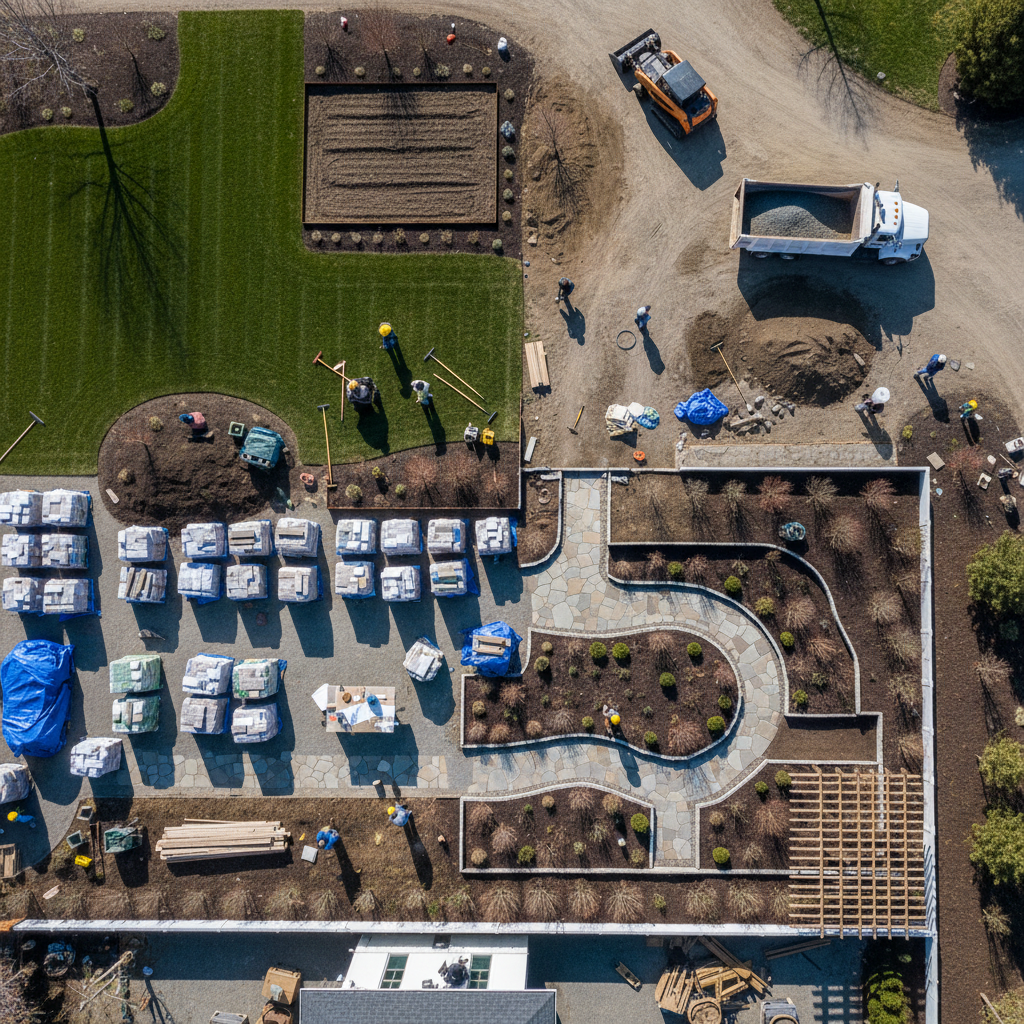
The longevity of any hardscape project is determined long before the first paver or stone is placed. In Price and throughout Carbon County, the native soil is frequently composed of dense, alkaline clay that expands significantly when wet and contracts when dry. Because of these volatile soil conditions, the Keith Landscaping team insists on a rigorous site preparation process that exceeds standard DIY methods.
When clients ask what is the best foundation for a patio, the answer is a multi-layered, engineered base. We start with a deep excavation of the subgrade to remove organic material and reach stable earth. In our region, this often requires deeper digging than in areas with sandy soil to account for the heavy clay content. Once the subgrade is leveled and sloped, we install a thick layer of road base, also known as crusher run. This layer must be mechanically compacted in thin lifts to ensure it will not settle or shift under the weight of the patio.
Foundation Layer | Material Used | Purpose in High-Clay Soils |
|---|---|---|
Subgrade | Native Earth | Excavated and cleared of expansive organic matter. |
Road Base | Crusher Run | Provides structural load-bearing strength. |
Bedding Layer | Sand or Fine Gravel | Creates a level surface for pavers or stone. |
A final bedding layer of sand or fine gravel is applied to provide a smooth surface for the finishing material. This structure is essential for proper Yard Drainage Utah High Desert, as it allows moisture to move through the base rather than pooling and causing the clay to swell. By investing in professional residential and commercial landscaping services, property owners ensure their hardscaping Utah high desert projects remain level and structurally sound despite the inevitable movement of the local terrain.
Hardscape Drainage and UV Protection
High elevation in Carbon County means our hardscaping Utah high desert projects face relentless solar radiation. At altitudes above 5,000 feet, the atmosphere provides less protection from ultraviolet rays, which can cause pigments to fade and the structural binders in concrete pavers to break down prematurely. The Keith Landscaping team recommends applying high quality, breathable sealants to natural stone and pavers. These sealants act as a protective barrier, preventing UV rays from bleaching the color while simultaneously repelling moisture that would otherwise seep into pores and freeze.
Surface water management is the final, non negotiable step in professional residential and commercial landscaping services. We ensure every patio and walkway is graded with a minimum slope of one quarter inch per foot away from the home’s foundation. This prevents water from pooling on the surface, a critical factor because standing water significantly accelerates damage during winter nights. When water sits on a flat surface and undergoes a freeze cycle, it expands directly into the material's micro-cracks, causing them to widen over time. Integrating these slopes with comprehensive Yard Drainage Utah High Desert strategies ensures that snowmelt and storm runoff are directed safely to designated exit points, preserving the structural integrity of the installation for the long term.