Firewise landscaping Carbon County Utah protects properties by establishing defensible space through the strategic placement of fire-resistant plants and the removal of flammable debris. Residents can mitigate wildfire risks by maintaining three distinct safety zones around their homes, focusing on high-moisture vegetation and clear spacing between trees to prevent fire spread.
Living in Carbon County means appreciating the rugged beauty of the high desert while simultaneously respecting the persistent threat of wildfire. For many local homeowners, the sound of dry summer winds brings a familiar sense of anxiety regarding property safety and land management. A lush yard should provide peace of mind, not fuel for a passing blaze. By implementing firewise landscaping principles, you can create a sophisticated outdoor environment that acts as a primary line of defense for your home. This article explores the specific wildfire risks inherent to our region and details the three critical zones of defensible space. You will learn which fire-resistant plants thrive in our local soil, how to use hardscaping as a natural firebreak, and the maintenance routines necessary to keep your property resilient. Protecting your investment requires strategic design tailored to the unique demands of the Utah landscape.
Understanding Wildfire Risk in Carbon County High Desert
Living in Carbon County presents a specific set of challenges for property owners. Our geography is characterized by a rapid transition from high desert shrubland, filled with volatile sagebrush and rabbitbrush, to steep foothill terrain. While much of Utah faces wildfire threats, our region is particularly susceptible due to chronic drought conditions and notorious high winds that can carry burning embers long distances. When these factors combine, a small brush fire can quickly turn into a significant threat to structures. Implementing firewise landscaping Carbon County Utah is not just a trend; it is a critical safety measure for any property owner.
Central to this strategy is the concept of defensible space. This refers to a perimeter around a home or business specifically designed to reduce the amount of fuel available to a fire. By carefully managing vegetation and utilizing residential landscaping services to plan your layout, you create a buffer that can slow the spread of a fire and give firefighters a safer environment to work in. In our high wind environment, the goal is to eliminate the continuity of fuel that allows flames to climb from the ground into the canopy or jump from shrubs to your siding. Understanding this risk is the first step in protecting your investment against the realities of high desert living.
The Three Zones of Defensible Space for Utah Homes
Building an effective defense against wildfire requires a tiered approach that prioritizes the areas closest to your home. In Carbon County, where high winds can carry embers across large distances, the structure of your landscape determines whether those embers fizzle out or ignite your property. This is achieved through a three-zone system designed to disrupt the path of a fire.
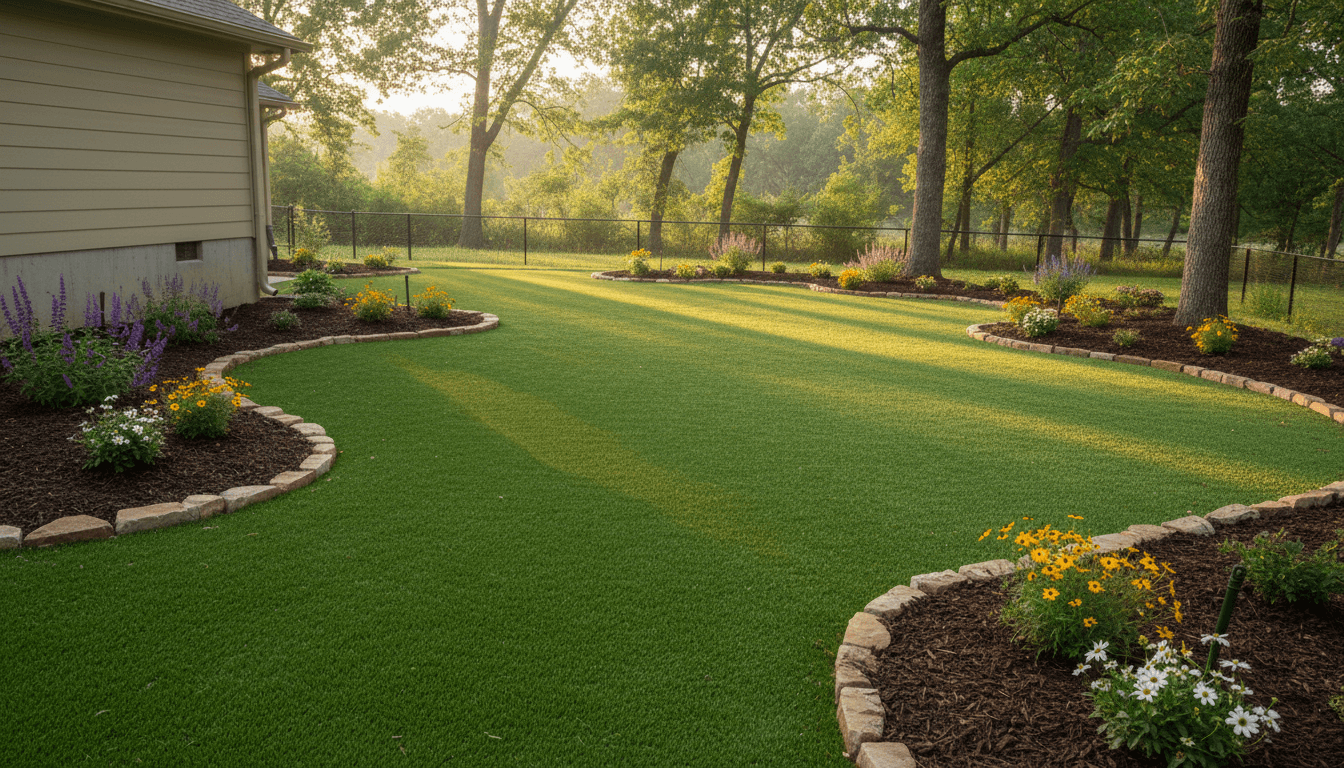
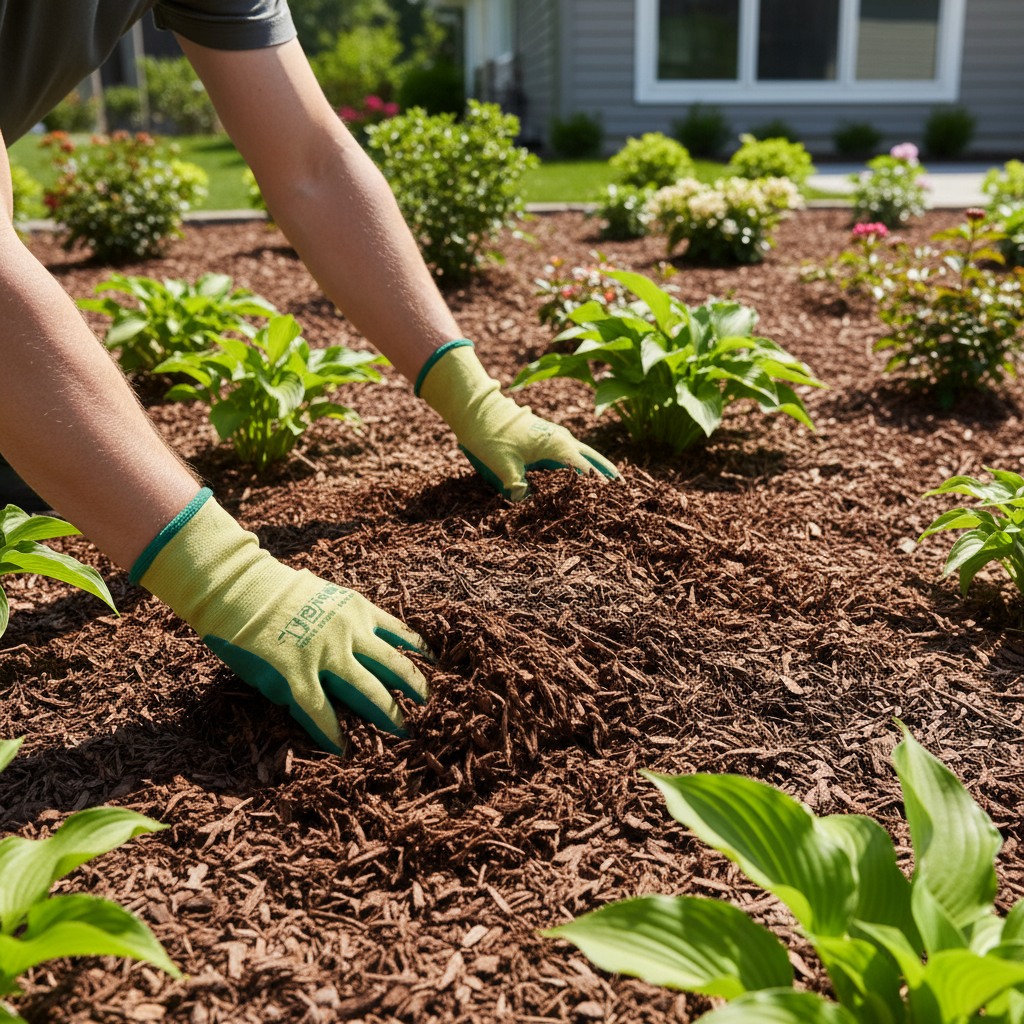
The Immediate Zone (0 to 5 feet) is the most critical area for preventing home ignition. This zone acts as a non-combustible buffer around the entire perimeter of your house, including under decks and porches. In our high desert environment, we recommend replacing wood mulch and flammable shrubs with materials that cannot burn. Utilizing decorative gravel, river rock, or concrete pavers ensures that if an ember lands near your foundation, it finds no fuel to start a fire. This area must be kept clear of dead leaves, pine needles, and any dried vegetation that accumulates during our dry summers.
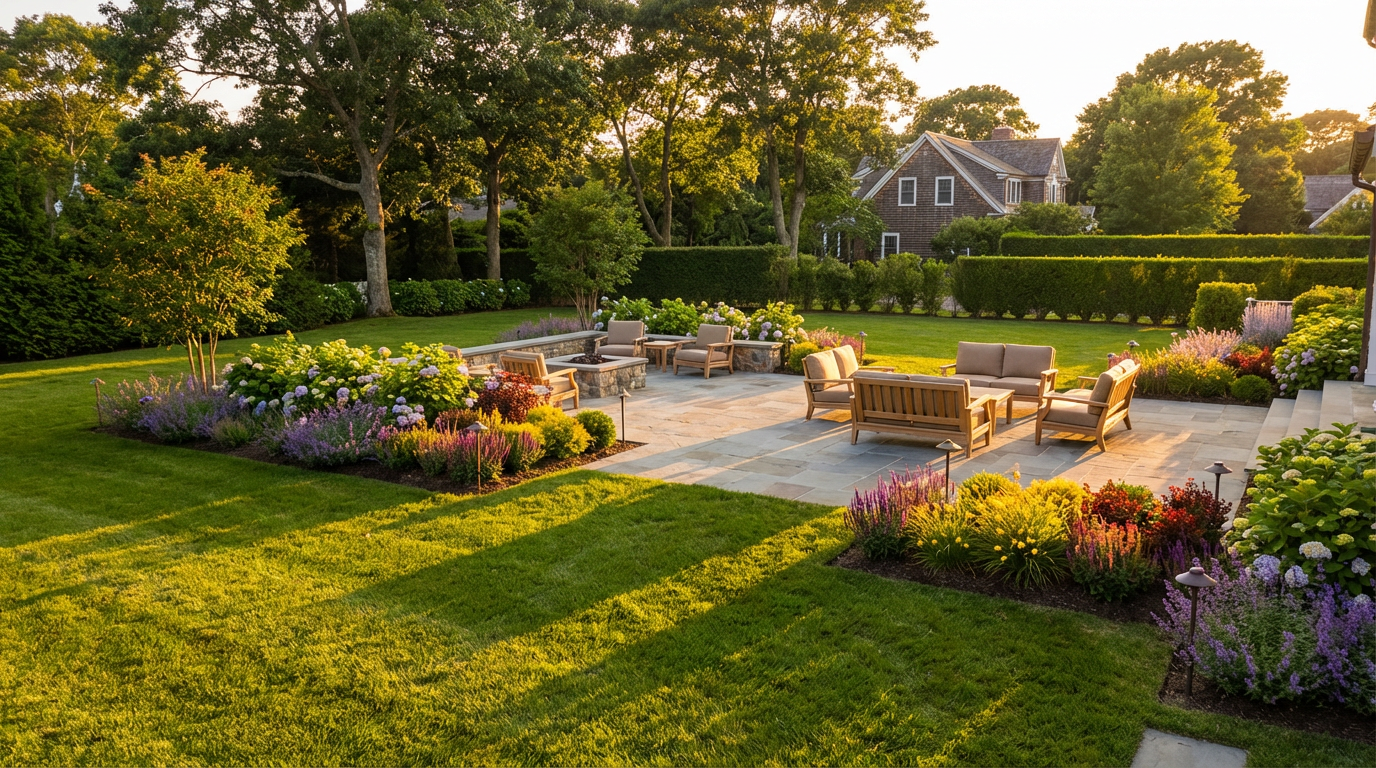
Moving out to the Intermediate Zone (5 to 30 feet), the strategy shifts to creating breaks in vegetation. The goal here is to prevent fire from moving horizontally from plant to plant or vertically into the tree canopy. By utilizing residential landscaping services to strategically space shrubs and trees, you create a "lean and clean" environment. Hardscaping elements like stone walkways, gravel paths, or a well-maintained patio serve as natural firebreaks. It is vital to eliminate ladder fuels in this zone; these are low-hanging branches or tall grasses that allow a ground fire to climb into the tops of trees.
The Extended Zone (30 to 100 feet) focuses on managing the native landscape where your property meets the wildland. For many homes in Carbon County, this means addressing dense stands of sagebrush, rabbitbrush, or juniper. You do not need to remove all vegetation, but rather thin it out to reduce the overall fuel load. Removing dead wood and ensuring tree crowns are spaced at least 10 to 12 feet apart helps reduce the intensity of an approaching fire. Together, these three zones create a comprehensive buffer that protects your home by gradually reducing the energy of a wildfire before it reaches your walls. This structured approach to firewise landscaping Carbon County Utah is the most effective way to manage the specific risks of our local terrain.
Choosing Fire Resistant Plants for Carbon County Landscapes
Selecting the right vegetation is the logical next step after establishing your defensible space zones. In the context of firewise landscaping Carbon County Utah, it is vital to understand that fire-resistant does not mean fire-proof. Instead, fire-resistant plants are those that possess high leaf moisture content, low levels of volatile oils or resins, and a slow accumulation of dead material. Because Carbon County frequently faces water restrictions, the most effective choices are those that remain hydrated and supple even during periods of low precipitation.
To help you plan your property, consider these species which are well-suited for our high desert climate and alkaline soils:
Plant Type | Recommended Species | Firewise Characteristics |
|---|---|---|
Perennials | Autumn Sage, Penstemon | Low growth habit; stays green with minimal water. |
Succulents | Agave, Sedum | Extremely high moisture retention; difficult to ignite. |
Shrubs | Serviceberry, Woods’ Rose | Lacks volatile resins; provides clean, deciduous growth. |
Groundcovers | Creeping Thyme, Ice Plant | Stays low to the ground; eliminates vertical fuel paths. |
When choosing plants for residential landscaping services, you must also identify and remove "ladder fuels." These are plants that allow a ground fire to climb into the canopy of a tree or the eaves of a house. In our region, junipers and tall ornamental grasses are common offenders. While they are drought-tolerant, they contain high amounts of pitch and resin, making them highly flammable once an ember lands in their branches.
Strategic planting involves placing high-moisture species like Agave or Serviceberry in locations where they can act as a heat buffer. By grouping these plants and separating them with non-combustible pathways, you reduce the continuity of fuel across your yard. This approach ensures your landscape remains functional and aesthetically pleasing without becoming a liability during the peak of the summer fire season.
Maintenance is Mitigation: The Key to Fire Safety
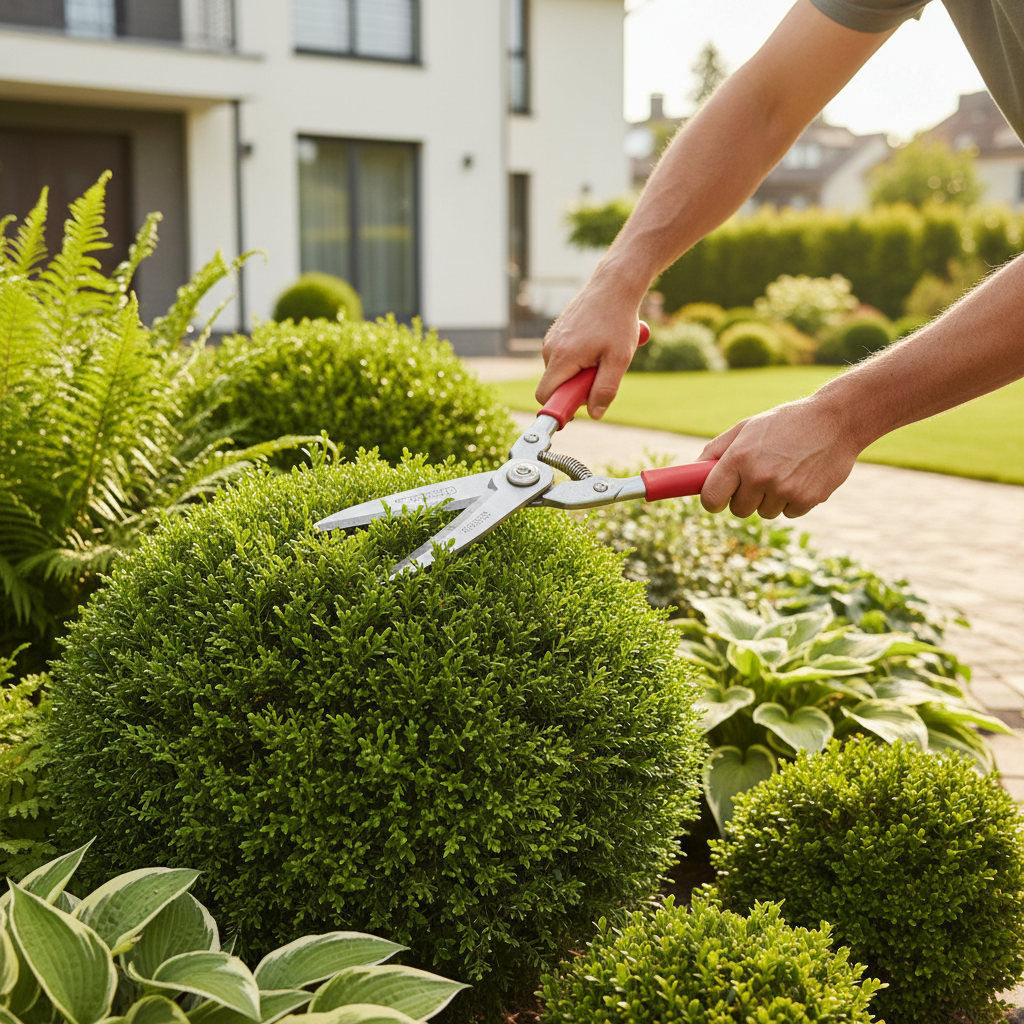
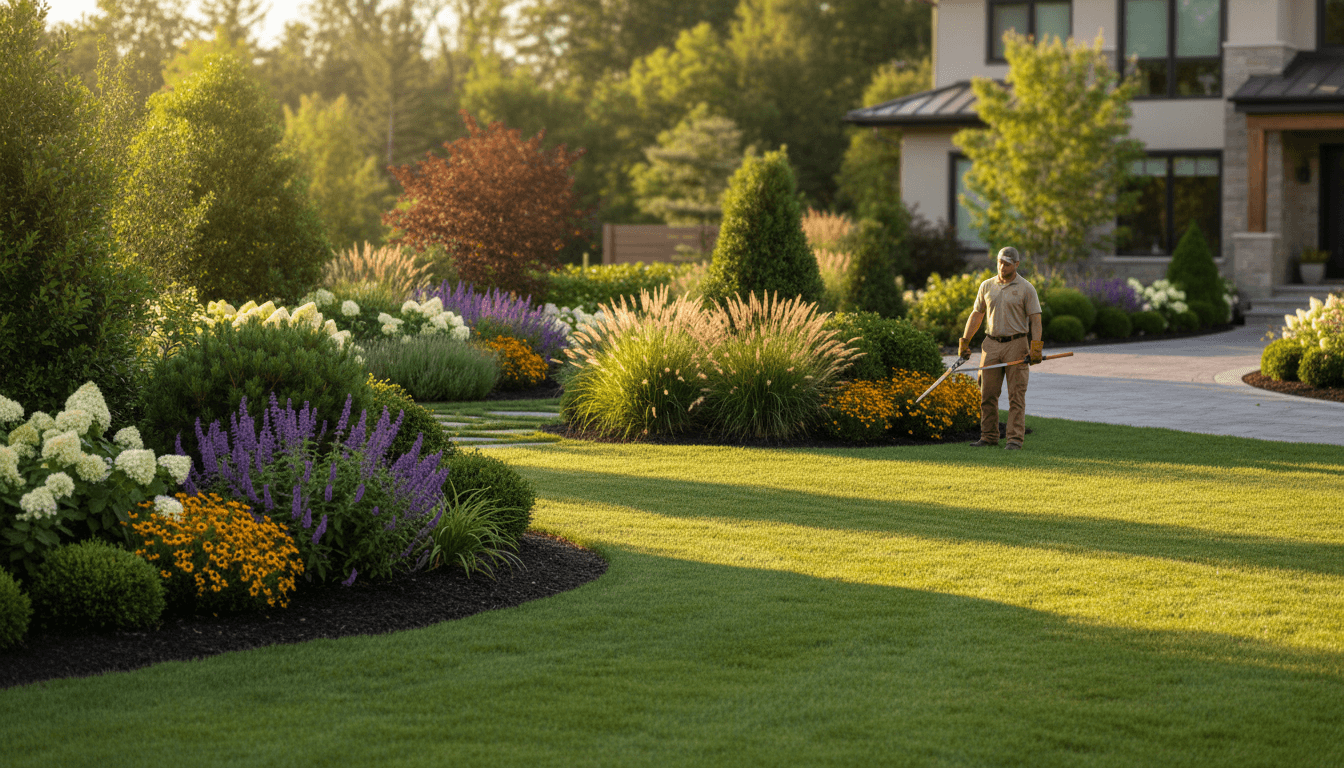
A well-designed firewise landscape is only as effective as its current state of upkeep. In the high desert of Carbon County, vegetation dries out rapidly, transforming a safe buffer into a primary fuel source within a single season. Professional maintenance is the bridge between a good design and actual property protection. Regular seasonal clean ups ensure that fine fuels, such as dried leaves and pine needles, do not accumulate against your foundation or under your deck where wind-blown embers are most likely to land.
Effective mitigation requires specific technical tasks that go beyond basic lawn care. To prevent fire from climbing into the canopy, you must prune low-hanging branches to a height of at least 10 feet above the ground on mature trees; this effectively eliminates the vertical path for flames. In our local shrublands, interior deadwood often builds up inside sagebrush or serviceberry bushes. This hidden fuel must be thinned out to reduce the heat intensity of a potential fire near the home.
Utilizing professional residential landscaping services provides the consistency needed to manage these risks year-round. While a property owner might overlook a growing pile of brush or a thickening stand of native grass, a trained maintenance team identifies these hazards before they become critical. By thinning dense plant groupings and clearing dead brush from the outer zones of your property, we ensure your firewise landscaping Carbon County Utah remains a functional barrier rather than a liability. Consistent care prevents the slow accumulation of fuel that makes high desert properties vulnerable during peak fire season.
Using Hardscaping as a Natural Firebreak
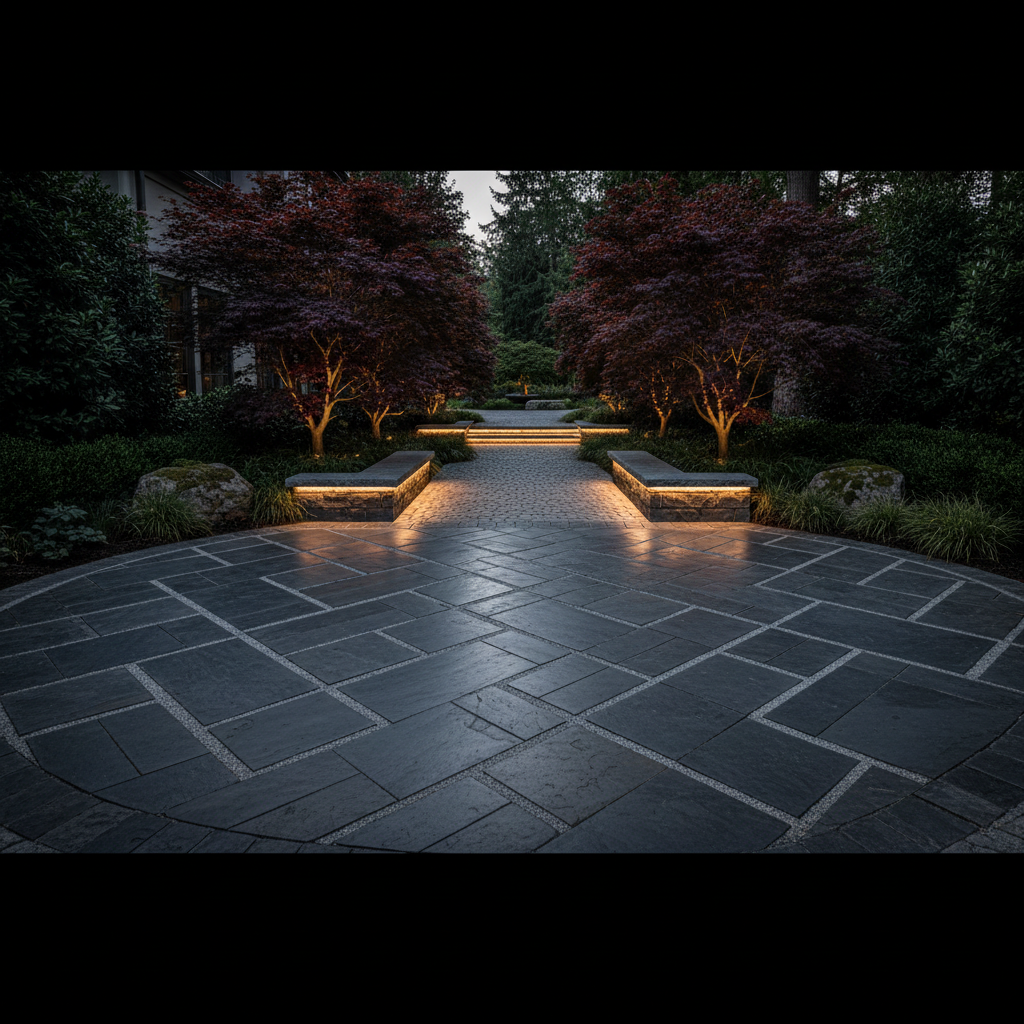
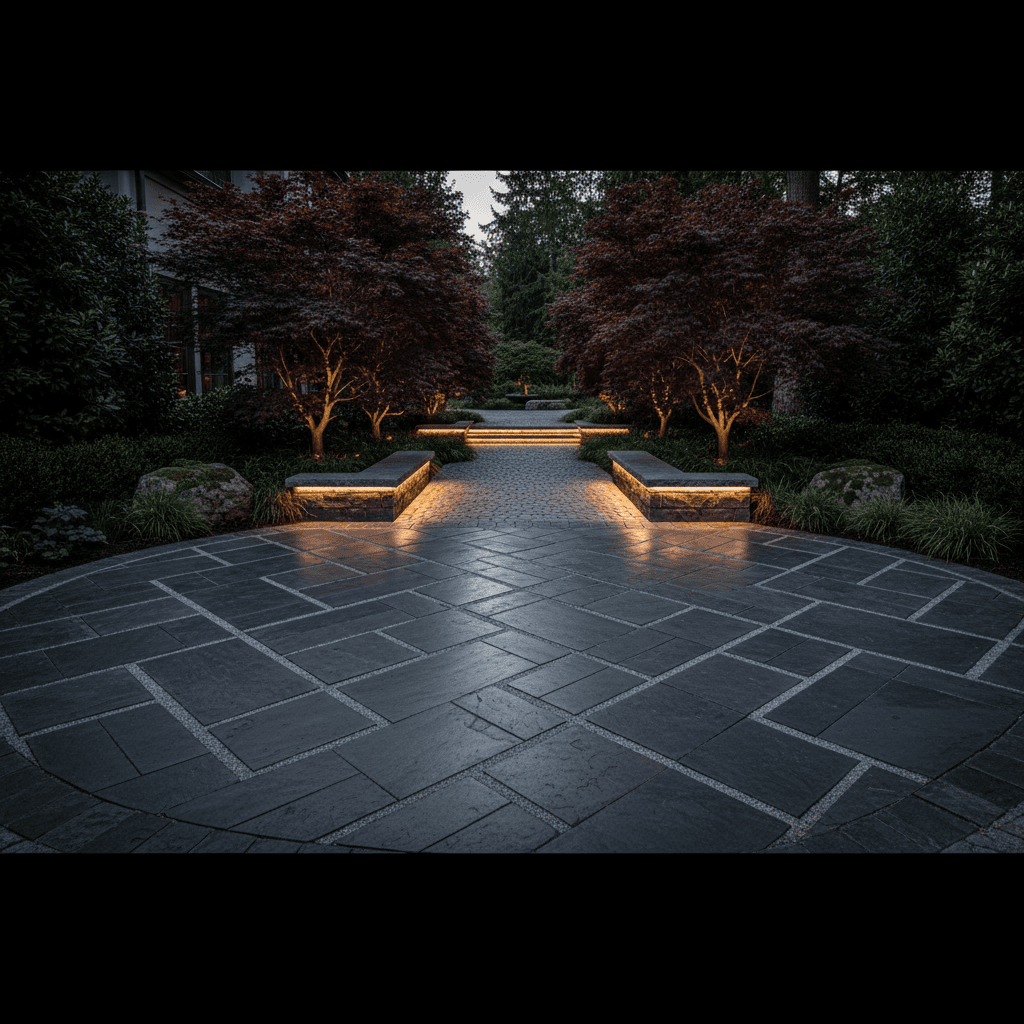
Hardscaping provides a permanent, low maintenance foundation for firewise landscaping Carbon County Utah. While vegetation requires ongoing pruning and watering, elements like stone walkways, gravel beds, and paver patios act as static firebreaks that do not ignite. By strategically placing these non combustible materials, you create a physical gap in the fuel chain that can prevent a ground fire from reaching your home's foundation or siding.
In Zone 1, the five foot perimeter directly adjacent to your structure, the choice of ground cover is critical. We strongly advise property owners to remove wood mulch, which acts as a tinder bed for wind blown embers. Replacing organic mulch with decorative river rock, crushed basalt, or flagstone creates an ember resistant zone. For larger areas, a professionally installed patio provides a functional outdoor living space while serving as a significant buffer against advancing flames.
Hardscape Element | Firewise Function | Recommended Material |
|---|---|---|
Walkways | Creates a fuel break between plant groupings | Flagstone or pavers |
Perimeter Borders | Prevents ember ignition near foundations | Decorative gravel or river rock |
Retaining Walls | Breaks up vertical slopes and slows fire spread | Stacked stone or concrete blocks |
Patios | Large non-combustible buffer zone | Concrete or stone pavers |
If you prefer the look of wood mulch for moisture retention in garden beds, limit its use to Zone 2 or 3, at least 30 feet away from the house. In these outer zones, ensure the mulch is kept moist and separated by segments of rock or dirt. Integrating these features through residential landscaping services ensures your property is both visually appealing and strategically fortified against the high desert's fire risks.
Carbon County Wildfire Mitigation FAQ
Addressing specific concerns helps property owners make informed decisions about their land. Here are answers to common questions regarding firewise landscaping Carbon County Utah and local safety regulations.
Question | Recommendation for Carbon County |
|---|---|
Is lavender firewise? | Yes, provided it is kept hydrated. If allowed to become woody and dry, it can ignite. Regular pruning during seasonal clean ups is essential. |
What is the best ground cover? | Non-combustible materials like gravel or river rock are best for Zone 1. For vegetation, choose low-growing succulents like Sedum that retain moisture. |
How do small lots handle 100 feet? | Focus on your first 30 feet and cooperate with neighbors to create a shared fuel break across property lines. |
Do restrictions affect yard work? | Yes. During Stage 1 fire restrictions, avoid using lawnmowers or chainsaws in dry grass during windy or hot periods to prevent sparks. |
For residents with smaller residential lots in areas like Price or Helper, achieving a full 100 foot buffer is often impossible. In these cases, the priority must be the Immediate Zone. Keeping the five foot perimeter around your home completely clear of fuel is your best defense. If you have questions about specific plant species or need assistance implementing these safety zones, contact Keith Landscaping to discuss how residential landscaping services can help protect your property. Professional management ensures that maintenance is performed safely, even when local fire risks are high.
Protecting your home through firewise design is essential for living safely in Carbon County. By selecting fire resistant plants and maintaining clear defensible zones, you can significantly reduce your property's vulnerability. Creating a beautiful landscape that also functions as a safety barrier requires careful planning. If you want expert help navigating these specific local requirements, we are here to support your vision. You can learn more about our approach to sustainable and safe design to see how we help neighbors protect their investments.